Cosmetic dentistry in 2025 is shaped by patients who know more, ask more, and expect smoother experiences from start to finish. Modern patients often research treatments before scheduling a visit, which encourages dentists to offer clearer explanations and more precise outcomes.
Dental clinics that can ensure this smooth experience can grow with the rising cosmetic dentistry market. The global market is set to witness an 8.53% CAGR from 2025 to 2034. Precedence Research projects it to grow from $28.48 billion to around $59.52 billion during the forecast period.
Therefore, clinics are paying closer attention to comfort, appearance, and efficiency, creating an atmosphere that supports long-term confidence. This shift is prompting dental professionals to refine their methods and adopt tools that bring clarity to every step of treatment.
The Rise of Advanced Digital Dentistry
Digital systems are continuing to redefine how cosmetic treatments are planned and delivered. According to Absolute Smile, there are many advanced tools, including digital X-rays and intraoral cameras, available for better patient outcomes. These solutions can deliver exceptional results through highly detailed images and by replacing older methods that relied heavily on traditional impressions.
As a PubMed Central study notes, these advanced imaging technologies help reduce errors and improve accuracy. It gives dentists a better understanding of tooth and gum structure for meticulous assessments. Similarly, technological advancements in dental implants, prosthetics, and orthodontic solutions have given dentists more and better treatment options.
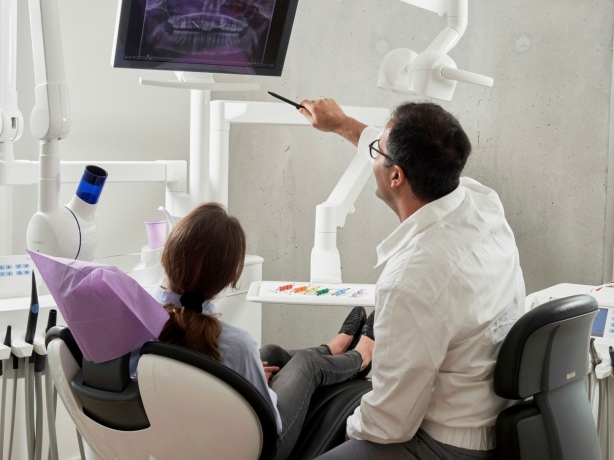
Patients benefit as well, since they can see visual references during the evaluation process. The expansion of digital workflows is also improving turnaround times and helping treatments feel more predictable.
How is digital dentistry improving communication between patients and dentists?
Digital dentistry supports stronger communication by giving patients a clear visual reference during discussions. Instead of relying on verbal descriptions alone, dentists can show detailed scans that highlight concerns or possibilities. These images help patients ask more informed questions and understand how certain procedures may affect function and appearance, making the entire planning experience smoother.
Personalization Through Technology
Tailored cosmetic care has become a leading focus, especially in offices that integrate technology with thorough patient communication. As mentioned on https://www.myabsolutesmile.com/, every customer's needs are unique. Thus, dental clinics should provide personalized treatment plans, and technology is helping with that.
Detailed planning tools can shape each patient's experience with greater accuracy and comfort. People appreciate having the chance to talk through their goals while reviewing digital simulations that reveal how certain treatments may look.
This approach creates a cooperative environment where patients feel heard and understand the steps involved in achieving their desired results.
The Influence of Artificial Intelligence
Artificial intelligence is helping dentists evaluate cosmetic possibilities with more depth than ever.
An International Journal of Oral Health Dentistry study says that AI is reshaping aesthetic dentistry and prosthodontics by predicting treatment outcomes. It is also studying facial and dental features, and creating virtual plans matched to each patient's appearance and structure.
These tools help dentists evaluate symmetry, proportion, and overall balance while guiding decisions for veneers, whitening, and smile design. They also produce sample images that show potential results from different procedures, allowing patients to make decisions with greater certainty.
Dentists benefit from having a clearer guide, which helps reduce unexpected adjustments later in the process and strengthens communication during consultations.
Can AI assist patients who struggle to visualize cosmetic changes?
AI can help people who find it difficult to picture the outcome of a cosmetic procedure. Treatment previews give patients a realistic idea of how changes may look on their own face rather than on sample images of someone else. This helps remove uncertainty, encourages thoughtful decision-making, and allows both the dentist and patient to feel more aligned during planning.
Improvements in Materials and Durability
Advances in cosmetic materials are giving patients access to stronger and more natural-looking solutions. Modern porcelains and composites mimic the texture and shine of real enamel, helping enhancements blend seamlessly with surrounding teeth. These materials are designed for comfort, stability, and long-lasting results.
Updated bonding techniques support tooth preservation while improving how veneers, bonding, and restorations age over time. Patients who once worried about durability are now finding options that hold their appearance far longer than older alternatives.
There are also advanced polishing systems available to cope with these materials. As a Nature Journal study concludes, the use of material-specific polishing systems is rising. It is becoming very effective in chairside polishing of restorative dental materials.
How do newer cosmetic materials respond to daily habits like drinking coffee?
Modern materials are developed with stronger resistance to discoloration and everyday wear. While they still require good care, they tend to maintain their appearance longer than older options. Patients who enjoy coffee see fewer surface changes, and dentists can now offer treatments that remain stable even under frequent brushing or mild grinding.
A Fresh Approach to Clear Aligners
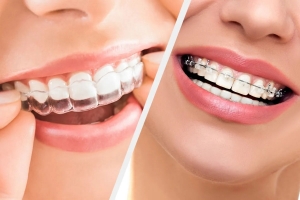
Clear aligners have increased in popularity, yet their purpose has expanded far beyond basic straightening. Dentists are now reviewing bite patterns, jaw posture, and facial balance to ensure the results feel natural and comfortable. This wider perspective can help prevent issues such as uneven wear or discomfort during speaking and chewing.
Patients often experience improvements in both appearance and everyday function, making aligners a more comprehensive treatment than earlier versions. This trend is set to rise further in the coming years.
Future Market Insights predicts that the 3D printer clear dental aligners market can rise by 8.4% from 2025 to 2035. It can grow from $163.5 billion in 2025 to a whopping $366.2 billion by 2035. China and India are expected to see the highest growth, followed by Germany, Brazil, and the USA.
Faster Treatment Options
Speed plays a larger role in cosmetic dentistry today, and new tools are helping dentists provide results without long waiting periods. Same-day crowns are becoming more accessible, allowing patients to walk in with a damaged tooth and leave with a complete restoration.
Digital models also make aligner production more efficient, shortening the time between evaluation and the first set of trays. These changes appeal to individuals with busy schedules and reduce the number of visits needed for many procedures. The convenience of quicker solutions is helping more people commit to cosmetic improvements.
Cosmetic dentistry heading into 2025 combines improved materials, enhanced technology, and personalized treatment planning. Patients now have access to solutions that feel more natural, look refined, and require less time in the chair.
Dentists continue to refine their techniques, offering care that supports both appearance and comfort. The future promises steady progress that makes cosmetic treatments more accessible, efficient, and aligned with each patient's vision for their smile.