

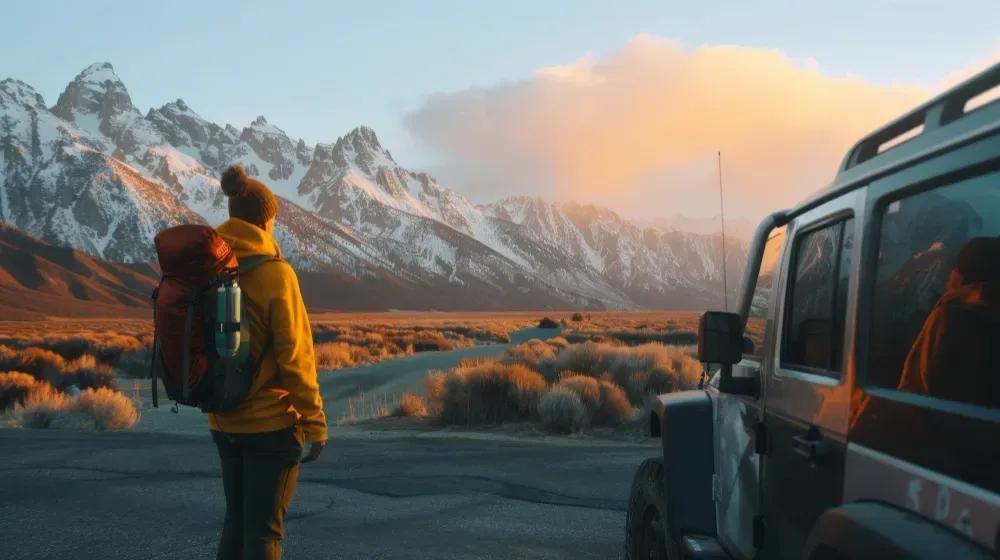
There’s nothing quite like hitting the open road in New Zealand, winding coastal highways, alpine passes that soar above snow-capped peaks, and hidden corners just waiting to be discovered. Whether you’re planning your first Kiwi road trip or your tenth, a successful adventure starts long before the engine turns over; it starts with what you pack.
Packing for a road trip isn’t just about squeezing everything into the car. It’s about thinking ahead for comfort, safety, flexibility, and unforgettable experiences. New Zealand’s diverse terrain, from lush forests and rugged beaches to remote high country and alpine trails, means your packing list should be prepared for anything. This comprehensive guide covers the essentials that will take your NZ road trip from good to exceptional.
10 Vital NZ Road Trip Essentials to Pack for Your Next Adventure
1. Navigation Tools (Digital + Physical)
While most of us depend on GPS apps like Google Maps, never rely on a single digital system. Downloading offline maps or carrying a physical road atlas can be a lifesaver in areas with limited mobile coverage, which are common in NZ’s high country and coastal stretches. Many car rental companies in New Zealand, including RaD Car Hire, offer GPS add ons as part of your rental as well as supplying physical maps if required.
If you want to plan your driving routes with less stress, check out this excellent guide on how to plan a low-stress road trip in 2025 for practical tips and planning strategies.
Why this matters: Cell reception in New Zealand can be patchy in rural and mountainous regions. With offline navigation, you won’t be caught unprepared.
2. Water and Hydration Supplies
New Zealand’s outdoor adventures, from hiking Tongariro Alpine Crossing to kayaking in Abel Tasman National Park, are thirsty work. Pack at least one bottle of water per person per hour of travel, and aim for extra if you’re heading into remote areas. A large refillable jug and portable water filter are also smart additions. If you are visiting during the summer months, you should also add some electrolyte sachets to your pack to ensure you remain hydrated in the hot weather.
Tip: Many DOC (Department of Conservation) campsites and visitor centres allow you to refill water bottles, but always check beforehand and carry spares just in case.
3. First Aid Kit and Emergency Supplies
Road trips are about exploring, but that comes with some risk. A well-stocked first aid kit should include:
Adhesive bandages, gauze, and antiseptic wipes
Pain relief medication
Tweezers and safety pins
Butterfly closures for cuts
Emergency blanketsc
Add vehicle emergency items like a high-visibility vest, warning triangle, and basic tools in case of roadside repairs.
For more insight into NZ travel and exploring solo, including safety planning, see this article on why Australia and New Zealand are perfect for solo travellers and explorers.
4. Food and Snacks
Having a stash of high-energy snacks, think nuts, dried fruit, protein bars, and crackers, makes long stretches between towns much more enjoyable. Don’t forget ready-to-eat meals if you’re camping or driving late into the evening.
Pro Tip: Pack a cooler with ice packs for perishable items, and consider a portable camping stove for breakfasts or dinners at scenic spots.
5. Weather-Appropriate Clothing
New Zealand’s weather can change rapidly, especially in alpine and coastal areas. Pack layers:
Lightweight rain jacket (waterproof and breathable)
Warm mid-layers (fleece or wool)
Quick-dry shirts and pants
Comfortable walking shoes or hiking boots
Beanie and gloves if you’re exploring the South Island in shoulder seasons
This layering approach keeps you comfortable whether you’re chasing waterfalls or sipping wine in Central Otago.
6. Power and Charging Gear
A road trip means lots of photo taking, map checking, music streaming, and staying in touch. Bring:
Car charger with multiple USB ports
Portable power bank(s)
Aux cable or Bluetooth adapter for audio
If your itinerary includes remote hikes or multi-day backcountry routes, consider a solar battery charger to keep essentials powered without plugging into mains electricity.
7. Camping and Outdoor Essentials
Many Kiwi road trippers love getting off the beaten path and camping under the stars. Essentials include:
Sleeping bag (appropriate for the season)
Sleeping pad or inflatable mattress
Headlamps and spare batteries
Tent footprint or tarp
Cooking utensils and fuel
Even if you’re planning to stay in holiday parks, having these on hand means flexibility, especially when you stumble across those “just stop here for the night” moments.
8. Entertainment and Travel Comfort Items
Long drives are part of the adventure, but it helps to be comfortable. Pack:
Travel pillows and blankets
A curated road trip playlist
Audiobooks or podcasts
Cards or small travel games
Comfort items make long days behind the wheel more enjoyable and help keep everyone in good spirits.
9. Local Guides and Experiences
While part of the fun is spontaneous discovery, having a few trusted guides can deepen your experience. Carry guides or download apps for:
National parks and hiking trails
Local wine trails like the Marlborough Wine Route
Beaches, scenic reserves, and wildlife viewing spots
Websites like DOC (Department of Conservation) provide up-to-date info on track conditions, camping permits, and safety alerts, all valuable when exploring NZ’s great outdoors.
10. Money, Documentation, and Safety Gear
Lastly, don’t forget the essentials that keep your trip running smoothly:
Driver’s licence and vehicle registration
Insurance info (vehicle and travel)
Credit/debit cards and some cash
Car keys, spare key, and key tracker
For peace of mind, consider adding a personal locator beacon (PLB) if you’re heading into isolated regions.
Conclusion
Packing for a New Zealand road trip isn’t just about bringing enough clothes or snacks, it’s about being prepared for the unexpected and maximising your enjoyment no matter where the road takes you.
From robust navigation tools and hydration supplies to outdoor gear and entertainment, these 10 must-have items strike the balance between safety and adventure. With careful planning, the open road becomes less daunting and more exhilarating, filled with stunning views, unforgettable experiences, and memories that last a lifetime.
Whether you’re planning a solo journey, a couple’s retreat, or a family road trip, incorporating these essentials will ensure you’re ready for anything this remarkable land has to offer.
So pack well, drive safely, and let the road trip begin!
Frequently Asked Questions
Why is it important to pack specific items for a road trip?
Packing the right items ensures you’re prepared for unexpected situations, from weather changes and mechanical issues to health and comfort challenges. In New Zealand, where cell signal can be sparse and distances between services can be long, having navigation tools, emergency gear, water, food, and safety equipment can mean the difference between an inconvenience and a serious problem. Preparation builds confidence, enhances safety, and gives you the freedom to explore with peace of mind.
Should I bring both digital and physical maps?
Yes! Relying solely on digital maps can be risky, especially in rural or mountainous areas with poor reception. Offline digital maps (downloaded to your phone or a GPS unit) offer a backup, but carrying a physical road atlas is the most fail-safe option. Physical maps never run out of battery or glitch, making them incredibly valuable for long journeys, detours, or when planning alternate routes.
How much water and food should I pack?
As a general rule:
Water: At least 1 litre per person per hour of travel when you expect limited access to water. In hotter seasons or during physical activity, increase this amount.
Food: Pack enough perishable and non-perishable food for your planned days on the road plus extra, in case of delays or unexpected adventures.
It’s better to have too much than too little, especially when exploring remote parts of NZ where shops and services might be limited.