

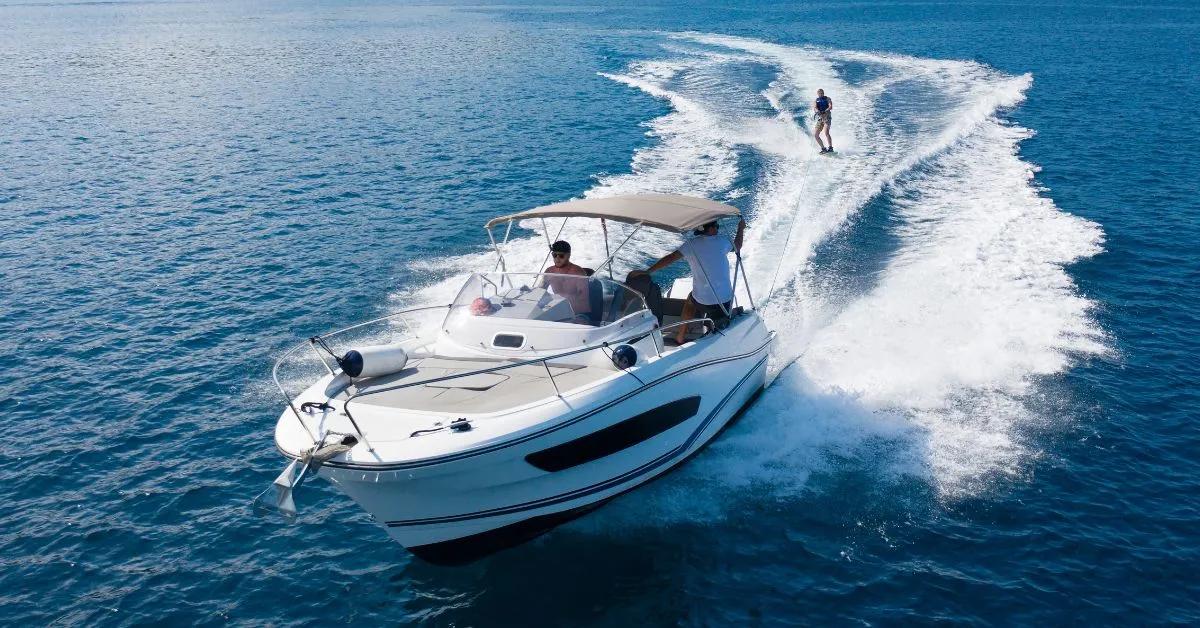
The first time a rider cuts across the wake, the boat becomes more than just a way to spend the day on the water. Suddenly, every pound of weight and every adjustment at the helm changes the ride behind it. Wake sports change your boat setup because the boat must create a controlled pull and a usable wave instead of simply moving cleanly across the lake. That makes the setup more hands-on and a lot more rewarding when everything lines up.
Weight Placement Changes the Wake
Wakeboarding and wakesurfing rely on displacement, so weight placement has a direct effect on the size and shape of the wake. Extra ballast adds mass, but uneven placement creates a wake that washes out or pulls harder to one side. Because of that, ballast bags, built-in tanks, and passenger positions need careful attention before each session. Small changes in where the weight sits often change whether the wake stays clean and even or washes out before the rider reaches it.
Propulsion Needs More Control
Wake sports usually require a steady pull at lower speeds, which places greater emphasis on torque and throttle consistency. A boat set up mostly for open-water cruising might struggle to hold speed smoothly once ballast is added. Prop choice plays a serious role here because the wrong pitch makes the engine work harder than necessary. When the setup is dialed in, the boat holds a cleaner pace without constant throttle correction.
Tow Points Affect the Ride
The tow point changes the angle of pull, which changes how the rider gets up and stays positioned behind the boat. A tower raises the line and gives wakeboarders a better pull than a low stern attachment. Wakesurfing works differently because the rider drops the rope once the wave is set, so the wake shape takes precedence over line height. For anyone upgrading gradually, a trusted boat shop can explain which tow setup fits the boat’s layout.
Safety Setup Needs More Attention
Wake sports bring people closer to the stern, so safety habits need to match the activity. The driver needs clear visibility, consistent communication, and enough distance from other boats before each pull. Engine-off rules near the swim platform are not optional when riders enter or leave the water. A serious setup is not an afterthought and should treat safety as part of performance.
The best wake days usually happen when the boat no longer needs constant second-guessing. Riders get more from each pass when the setup stays predictable, and everyone on board has a better sense of what to expect next. Wake sports change your boat setup because consistency turns the boat from a casual cruiser into something built around the ride. Once that consistency is there, the water day has a stronger rhythm from launch to tie-up.