

Miami is alive. Its vibrancy is legendary, its buildings iconic. But the city has a side that few see, and the view from the water changes everything. The mad pace slows down, and the edges soften, but its presence grows. The skyline settles into something inviting, and the light and the space of the Florida coast make for a memorable experience.
Miami has a habit of presenting itself at speed. Streets move fast, schedules stack up, and the city’s energy often feels better observed than joined. Out on the water, that pace changes. Buildings pull back, noise softens, and the city starts to make sense as a place rather than a performance. For many visitors, that shift is where Miami becomes easier to understand, not through landmarks or lists, but through distance, light, and time spent looking rather than moving.
Seeing Miami from the Water Changes the City’s Rhythm
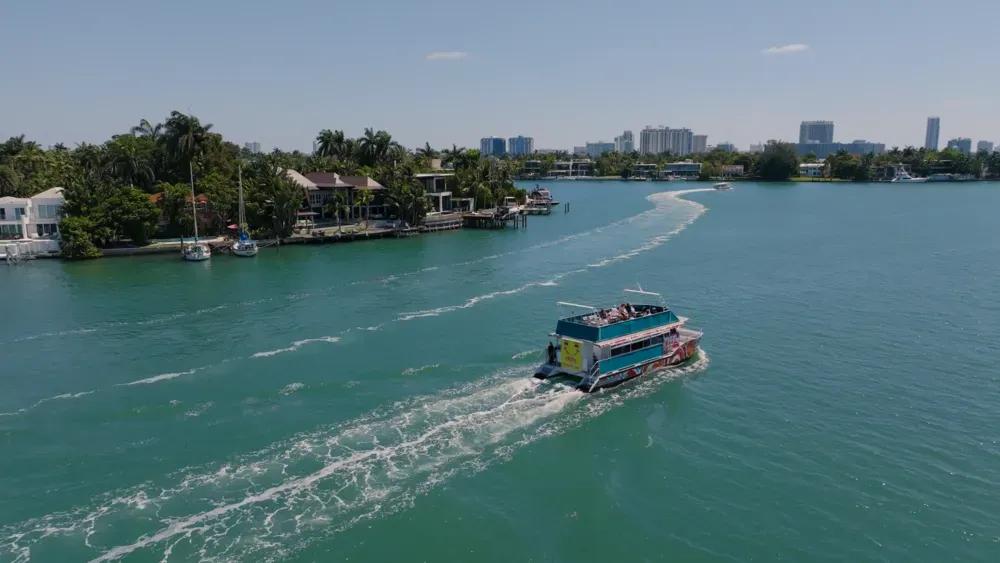
Most first impressions of Miami come from ground level, where traffic, heat, and noise compress everything into urgency. On the water, the city stretches out. A Miami Bayside Boat Tour offers a slow circuit through Biscayne Bay, moving past the skyline, the port, and the low-slung islands that sit just offshore. From this angle, Miami reads differently. The towers feel less imposing, the distances clearer, and the city’s layout starts to reveal its logic rather than its spectacle.
The experience is guided but unforced. Commentary fills in context without demanding attention, leaving space to notice how the city breathes when viewed from a remove. What stands out is not a single landmark, but the way water reorders perspective. The boat does not chase highlights. It drifts, observes, and lets the city arrive in pieces, which is often when it feels most coherent.
Why Sunset on Biscayne Bay Feels Different
There is a narrow window in Miami when the city eases off its own intensity. Late afternoon slides toward evening, the light drops, and the water begins to reflect more than it competes. Miami Sunset Cruises are built around that shift. The route is familiar, but the timing changes everything. Buildings soften, colours flatten, and movement slows enough for details to settle rather than rush past.
What makes sunset from the bay feel different is not romance or drama, but restraint. The skyline becomes a silhouette instead of a statement, and the city’s edges blur just enough to take the pressure off. You are not trying to take it all in. You are watching it wind down. That change in tempo does most of the work, leaving the experience quieter, more reflective, and easier to sit with than the Miami most people meet during the day.
Choosing Experiences That Create Space to Slow Down
Time in Miami is usually treated as something to fill. Meals, meetings, plans, and movement stack up quickly, leaving little room for pauses that are not scheduled or productive. Stepping away from that rhythm is often less about escape than permission. Experiences that remove you from the city’s usual flow make it easier to justify slowing down, not as indulgence, but as recalibration.
That tension shows up in how people think about balance more broadly. Making space for yourself without turning it into a performance often carries a trace of guilt, even when the need for it is obvious. The way this is framed in how to prioritize yourself without feeling guilty fits naturally here. Time on the water works in a similar way, creating distance without drama and offering a pause that feels earned rather than explained.
Biscayne Bay as a Natural Setting, Not Just a Backdrop
From the water, Biscayne Bay stops behaving like scenery and starts asserting itself as a place with weight and boundaries. It is a shallow estuary shaped by tides, weather, and a long negotiation between land and sea, not simply an empty surface the city happens to face. That context matters, because it explains why time on the bay feels calmer and more spacious than time spent moving through the streets.
The bay’s ecological role and geography give it a steadiness the city does not always offer. Mangroves, seagrass beds, and open water temper sound and movement, creating a quieter frame around Miami’s skyline. The National Park Service outlines this balance clearly in its overview of Biscayne Bay. When you are out on the water, that balance is felt rather than explained, and the city settles into it instead of competing with it.
Why Waterfront Time Leaves a Different Impression Than the City Streets
By the time the boat turns back toward shore, the city feels less insistent. Nothing has changed about Miami itself, but your position within it has. Distance has done its quiet work, smoothing edges and loosening the sense of urgency that usually defines the place. What stays with you is not a checklist of sights, but the feeling of having watched the city rather than chased it. That shift is easy to overlook, yet it lingers. Long after you step back onto land, Miami feels slightly wider, calmer, and easier to carry with you.