

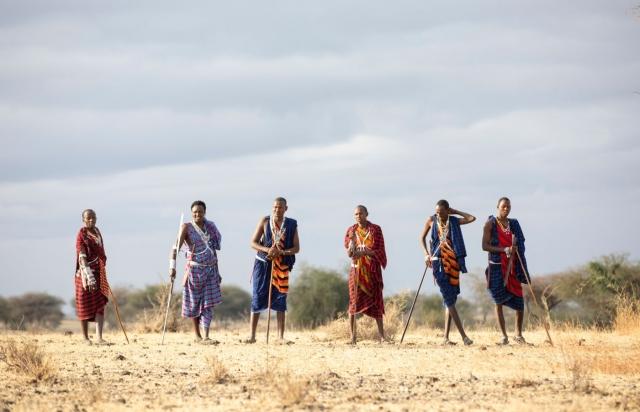
Some trips leave you with photographs. A Tanzania Safari leaves you with stories. Stories of elephants moving silently beneath ancient baobabs. Stories of wildebeest rivers trembling with the force of migration. Stories of Maasai chants rising into the dusk sky. This isn’t just a holiday. It’s an immersion. A chance to blend raw wildlife encounters with the living traditions that shape this land.
That’s what this blog adds: a guide to experiencing Safari Tours Tanzania in a way that goes deeper than game drives. Here, you'll learn how nature and culture are connected, and how to plan trips that benefit both while treating local communities with care and respect.
Why Tanzania Is a Must-Visit Safari Destination

Tanzania is unapologetically alive. You see it in the way wildebeest darken the horizon of the Serengeti. You feel it when the wind shifts on the Ngorongoro rim, carrying the smell of rain and dust. And you hear it when drums echo at night in a village that doesn’t need electricity to keep joy alive.
This country isn’t just nature at full volume—it’s heritage, woven into every corner. Over 120 ethnic groups call it home. Each has its own rituals, flavors, and languages. Each adds a layer to your Tanzania Safaris.
The Parks That Feel Like Chapters in a Story
Below are some of the must-visit national parks that you are definitely visiting on a Safari in Tanzania.
Serengeti National Park.
Everyone’s heard of it. But nothing prepares you for the moment a lion lifts its head in golden light, or when thousands of wildebeest funnel across a river like a living current. It’s not a scene—it’s a heartbeat of Tanzania’s wildlife scene.
Ngorongoro Crater. Descend into it, and you’ll understand why it’s called a wonder. A bowl of life, rimmed with fog in the mornings. Rhinos are grazing quietly while hyenas loiter nearby. It feels too compact to be real, like a stage where every actor showed up on cue.
Tarangire National Park. Quieter, slower, but unforgettable. Elephants wander like gentle giants. Baobabs rise like monuments. This is the park where people pause, where a guide might stop the vehicle just to let silence sink in.
Culture That Breathes with the Land
On a Tanzania Safari, the animals will thrill you. But it’s the people who will change you.

Step into a Maasai village and you’ll hear chants rise against the dusk. Warriors jump in rhythm, beads shimmer with every move, and elders speak softly about cattle, rain, and pride. It’s not a show if you enter with respect. It’s life.
On the slopes of Kilimanjaro, Chagga farmers invite you in for coffee. Not the quick machine-brew kind. Beans roasted over an open fire, pounded by hand, brewed thick and strong. You taste smoke, soil, and history in a single cup.
In Mto wa Mbu, the market is chaos—but the good kind. Bananas stacked like pyramids, kids darting through alleys, languages overlapping like music. Its heritage is alive in every shout and laugh.
Example: Tanzania Cultural Tours combines game drives with cultural elements. Travelers often say the wildlife was stunning—but it was the coffee, the singing, the conversations—that stayed with them longer.
When to Go
Tanzania shifts with the seasons. The Best Time to visit Tanzania depends on the activities you wish to see.
- June to October
The dry season. Wildlife congregates near water. Easy sightings. It’s a classic, dependable safari.
- January to March
Calving season in the Serengeti. Half a million wildebeest calves are born in weeks—tender and brutal at once. Predators wait. You’ll hold your breath more than once.
- April to May
The green season. Rains paint the land emerald, birds flood the skies—quieter, cheaper, more space to breathe.
Couples chasing romance? Many choose the Tanzania Honeymoon Safari in January, pairing the drama of migration with secluded lodges. Families often travel mid-year—predictable weather, smooth logistics, and guides who know how to keep kids enchanted.
A simple calendar graphic: months, best parks, quick notes on migration and weather.

Planning Tips That Actually Matter
Let’s be honest: safaris can feel overwhelming. Costs, durations, operators—all blur together online. So here’s the brief understanding about the same:
- Cost reality
A mid-range Tanzania Safari Package averages $350–$500 per person per day. Luxury safaris can start at $800+. It depends on how remote, how private, how indulgent you want it.
- Duration
Short safaris spanning 5 to 6 days are ideal for anyone who wants to explore Tanzania's key attractions in a short time, including spectacular game drives, famous parks, and abundant wildlife.
People who have 10 to 12 days may take their time and really see the sights, get to know the local cultures, and conclude their trip with some tranquil days by the Indian Ocean. It's the perfect mix of fun and relaxation.
- Operator choice
The quality of your safari depends on the tour operator you choose. Your safety, experience, and customization all rely on it. For example, African Scenic Safaris has been doing private tours for more than 15 years and only does custom trips. You won't be on a bus with strangers; it'll just be you, your guide, and your speed.
Closing Reflection
A Safari In Tanzania isn’t just lions and leopards. It’s also a Maasai elder blessing your journey. It’s coffee roasted in a clay pot. It’s kids laughing in a village market. It’s elephants crossing at dusk, their shadows stretching across the road.
With Safari Tours in Tanzania, you don't only witness the wild; you also experience the culture that runs through it. People are the colors, and wildlife is the canvas. Your tale isn't just a journey when you put them together. It's a part of your life.