

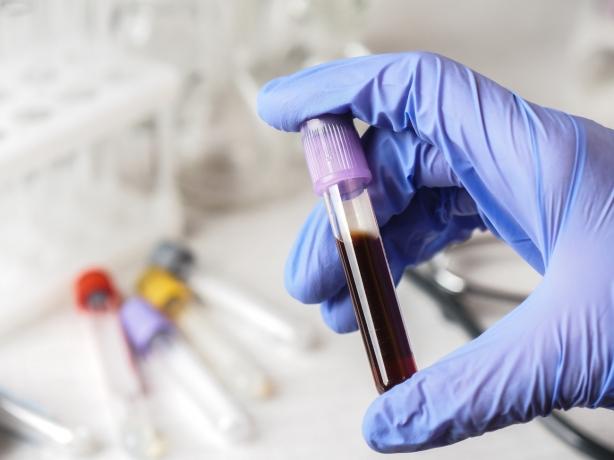
At-home blood tests have revolutionized the way individuals monitor their health. People who are managing chronic conditions or those simply interested in staying informed about their health status can benefit greatly from this innovation. There's no need to schedule an appointment or spend time in waiting rooms; with at-home blood tests, the process is straightforward and swift.
Understanding At-Home Blood Tests and Their Convenience
The surge in telehealth has opened doors to various forms of at-home healthcare, including blood tests. These tests are kits sent to your home, allowing you to collect samples and send them back for laboratory analysis. The convenience factor is significant as it saves time and can provide a sense of comfort to those who may be anxious about visiting labs or clinics.
Another attractive aspect of at-home blood tests is that they typically require minimal blood samples, often collected through a finger prick. The simplicity of the collection process means that virtually anyone can do it, without the need for medical expertise.
Once the sample is collected, it's a matter of shipping it back to the lab with the provided packaging. Companies like Persona Labs sells at home blood tests, ensuring privacy and often offering consultations with healthcare providers to discuss the results. The discreet nature of these services provides peace of mind for those seeking confidentiality in their health matters.
The rapid turnaround time for receiving results online is yet another benefit. A swift diagnosis or health status report can be critical in managing one's health proactively. Thus, the popularity and utility of at-home blood tests only continue to grow.
Types of Blood Tests Available for Home Use
At-home blood tests are far-reaching in terms of the variables they can measure. These tests cater to a wide array of health concerns and preventive measures.
Hormone level testing, for example, is important for those monitoring fertility or experiencing symptoms of hormonal imbalances. Comprehensive panels that look at thyroid function or the presence of markers indicating autoimmune conditions are also available. Each test focuses on specific biomarkers that provide insight into particular health aspects.
For individuals with a family history of heart disease, at-home tests measuring cholesterol levels and heart health markers can be an invaluable tool. On the other hand, nutritional tests provide data on vitamin and mineral levels, crucial for individuals suspecting deficiencies or managing dietary restrictions.
Step-by-Step Guide to Conducting a Blood Test at Home

Conducting an at-home blood test begins with choosing and ordering the right kit for your needs. Upon receipt, you should carefully read all instructions, as proper collection techniques are crucial for accurate results. The kit typically includes a lancet for finger-pricking, collection tubes, alcohol wipes, and bandages, plus instructions for collecting and storing the sample.
First, it's recommended to wash your hands with warm water to increase blood flow. Use the alcohol wipe to clean the finger you'll be pricking, then use the lancet to draw a drop of blood. You should remain calm throughout this process to prevent any mistakes or discomfort.
Next, the blood is typically collected into a small tube or onto a test card. It's important to ensure the correct amount of blood is collected, as too little or too much could invalidate the test. After the sample collection, you apply a bandage to your finger and prepare the sample for shipping based on the provided instructions.
After sealing and labeling your sample, mail it to the indicated lab using the prepaid packaging. Once the laboratory receives your sample, they will analyze it and provide you with results through a secure online portal or via email.
Interpreting Your At-Home Blood Test Results

Receiving your blood test results electronically is expedient, but interpreting them can sometimes be perplexing. Most at-home test providers supply detailed explanations with the results, categorizing levels as normal, low, or high, which can guide your understanding of your health status.
For complex or unexpected results, it is essential to consult a healthcare provider. They can provide a nuanced interpretation of the data and, if necessary, recommend further testing or a treatment plan. Even normal results can be a topic of discussion with your provider, offering assurance or a foundation for preventative health strategies.
Comparing results to previous tests can reveal trends or changes in your health over time. This sort of longitudinal analysis can catch issues early or confirm that your health management strategies are effective. Don't hesitate to reach out to the test's customer service for assistance—they can often clarify any ambiguities.
Altogether, at-home blood tests are a valuable contribution to modern preventive healthcare, providing insights into bodily functions with convenience and privacy. It's prudent for individuals to integrate them thoughtfully into their healthcare routines, always in consultation with medical professionals.