

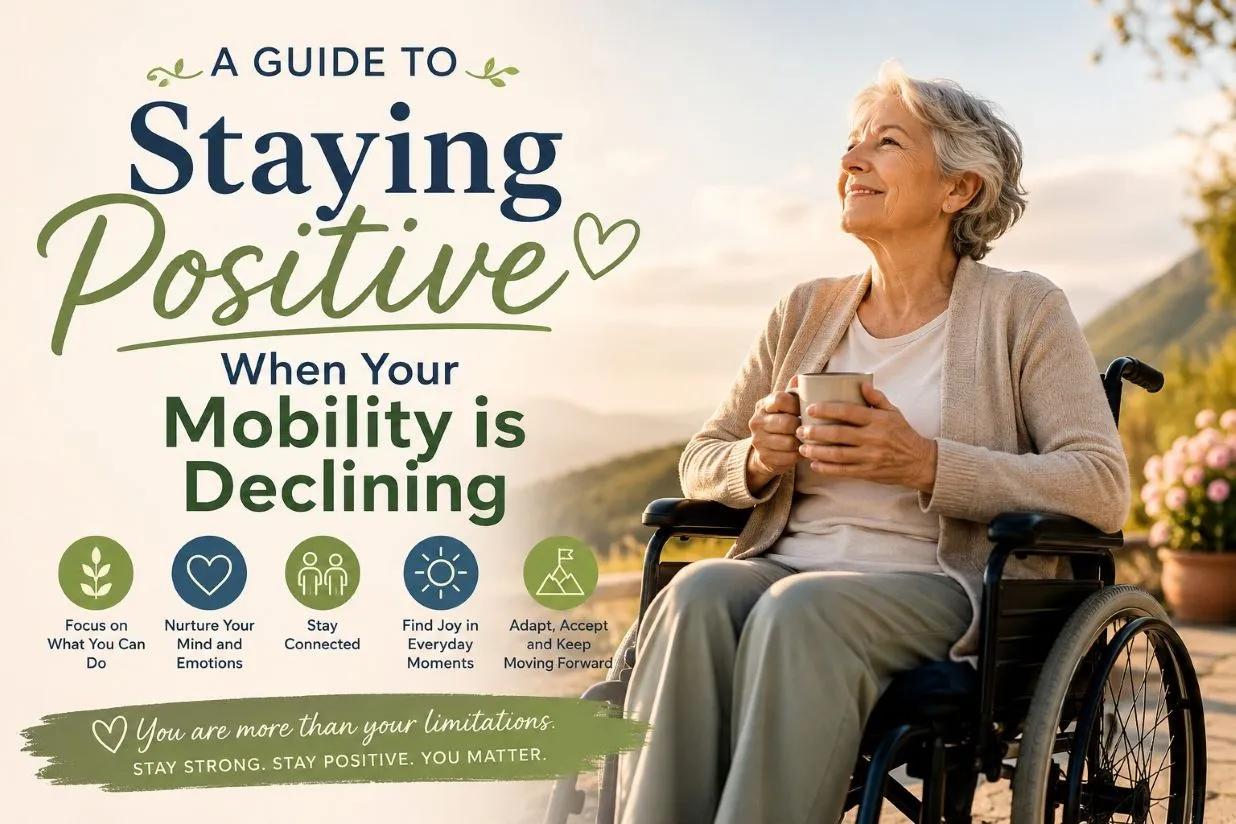
You may panic if you begin to notice a decline in your mobility. You might worry about your work, how you are going to remain independent, and how you are going to navigate the world now that everything has changed. However, it is possible to stay positive when your mobility is starting to go south, and here are some of the best ways that you can do this in 2026.
1. Install an Elevator
You might feel daunted whenever you look at your stairs. However, you should never feel that way in your own home. If your steps are starting to inspire fear inside you, and you are beginning to think that they are a danger to you and your welfare, you should consider installing an elevator within your home. Home elevators take up a lot of space between your floors. Yet, there are advantages that outweigh the negatives. They will allow you to access every part of your home, plus take your mobility aids with you to the next level. They will also allow you to get upstairs and downstairs quickly and without relying on anyone else to help you. When you install a home elevator, though, you need to make sure that this is maintained and that any issue is addressed promptly to maintain this improved quality of life.
2. Keep Up Your Social Life
Just because your mobility has lessened, this does not mean that you cannot stay social and connected with all of your friends and family. Although the prospect of a lack of mobility may make you want to hide away, keeping up your social life is important for your mental health and wellbeing. It will allow you to share your feelings, gain support, ask for help, and distract you from the worries and concerns that you have in your life. If you are struggling to socialize with the people you love best, you should consider having a Zoom call or writing your emotions in a letter to them. You might also invite them to your home rather than meet them somewhere you feel less comfortable, or seek support from groups that have been designed specifically for disabled people. This will allow you to meet people who are in the same boat as you.
3. Check Facilities Ahead of Time
When you are disabled or have limited mobility, you have more needs to juggle when you are planning outings and day trips. This means that you should always check facilities ahead of time and ensure that the accessibility is appropriate for disabled people. You may also want to read the disability and inclusion policy on a company’s website before you visit them. This will give you an idea of what to expect and can help you to avoid distress, embarrassment, or disappointment. Do not be shy to contact companies and ask questions about their facilities if you are still unsure. If your disability makes you need to take regular breaks to sit down or use the toilet, you should also plan these into your day.