

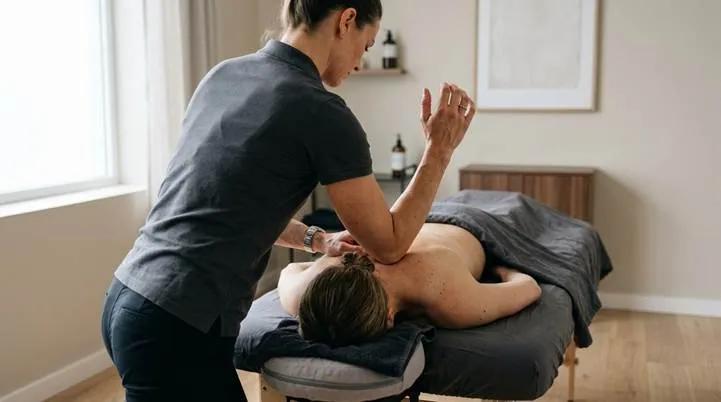
Modern wellness has shifted from simple relaxation to targeted, results-driven bodywork.
The modern spa menu can feel like a final exam you forgot to study for. You see terms like myofascial release, lymphatic drainage, and craniosacral therapy. You came to relax, but now you face a dozen choices, each promising a different kind of relief. This pressure to choose the "right" treatment points to a big change in the wellness world. The focus is moving from just relaxing to active, targeted recovery.
The goal is no longer just to feel good for an hour. It's about getting real results you can feel, whether you're an athlete who needs to repair muscles faster or an office worker trying to undo the knots of a stressful week. The specific therapies offered by a high-altitude spa in frisco will be different from a seaside wellness center, but the main idea is the same: treatments that aim for specific goals. This change shows that customers are more informed and want to understand how a massage actually works.
Quick answer: A modern spa day has changed from a simple luxury into a way to take care of your body and mind. Instead of general relaxation, the best experiences are now built around real goals like reducing swelling, improving blood flow, or helping you recover faster from physical activity.
What's inside
· How Have Spa Menus Changed in Recent Years?
· What Questions Should I Ask Before Booking a Treatment?
· Why Do Mountain Environments Require Specialized Spa Therapies?
· Frequently Asked Questions
· The Bottom Line: From Pampering to Performance
How Have Spa Menus Changed in Recent Years?
Spa menus have shifted from offering general relaxation to providing very specific, results-focused treatments. These are designed to meet real goals like helping athletes recover, reducing swelling, or improving movement.
This change is a direct response to customers who know more about their health. People now track their sleep, check their heart rate, and understand how stress affects their bodies in a way they didn't a decade ago. They expect wellness services to be as specific as their fitness apps. A general "relaxation massage" can feel like it's not enough when you are trying to solve a specific problem, like sore muscles after a hike or ongoing tension from desk work.
This change is also driven by money, especially in places that depend on tourism. The wellness tourism industry is a big part of the local economy, from hotels to restaurants and activities.
In a crowded market, spas have to stand out. Just offering a nice experience is no longer enough. The spas that do well are the ones that can show real results and speak the language of modern wellness. This means investing in special training for therapists and using methods that are proven to work on the body.
❝ When looking at a spa menu, look past the relaxing names. Find the action words. Does the description say it will "calm your senses" or does it say it will "release fascia," "increase circulation," or "reduce lymphatic congestion"? The words they use often show if the focus is on simple relaxation or on actively helping your body recover.
This move toward specialization means you can now find treatments designed for your exact needs. Instead of one-size-fits-all services, you see menus organized by goal, helping you match your body's problem to the right solution.
What Questions Should I Ask Before Booking a Treatment?
You should ask about the therapist's specific training and certifications, how they adjust treatments for each person's goals, and what their process is for new clients.
A good spa experience depends almost completely on the therapist's skill. While a beautiful spa is nice, it can't make up for a treatment that doesn't help. Before you book, look past the menu descriptions and ask about the therapist's training. A good spa will be open about their team's credentials and ongoing education.
Start by asking if the therapists are licensed by the state. This is the basic legal requirement to practice. Then, ask if they have any extra training or certifications. For example, therapists can become Board Certified through the National Certification Board for Therapeutic Massage & Bodywork (NCBTMB). This requires passing a tough exam, having a criminal background check, and following strict professional rules. This is an extra certification that shows they are dedicated to being a top professional.
❝ State licensure is the basic legal requirement to practice. Board Certification is a higher, optional certification that shows advanced skill and dedication. A therapist can be licensed without being Board Certified, so asking about both gives you a clearer picture of their qualifications.
When you call, have a few specific questions ready to see how they approach their work. A professional front desk or therapist should be able to answer these clearly.
"How do you tailor a session for someone dealing with a specific issue, like sore muscles from skiing or neck tension from computer work?" Their answer should describe a process, not just name a service.
"What is your client intake process?" A thorough spa will have you fill out a health history form and have the therapist discuss your goals with you before the session begins.
3. "Can you describe the specific training your therapists have in [the treatment you're interested in, e.g., myofascial release]?" They should be able to mention specific training courses or certifications beyond basic massage school.
Be careful if you get vague answers. If the staff cannot explain the difference between a Swedish massage and a deep tissue massage beyond "one is lighter," that's a red flag. If they seem unwilling to discuss a therapist's training or only talk about how "luxurious" or "pampering" the experience is, they might care more about the fancy setting than about giving you a treatment that actually works. The goal is to find a skilled professional, not just a nice place.
Why Do Mountain Environments Require Specialized Spa Therapies?
High-altitude environments put special stress on your body that regular spa treatments often don't fix. The mix of lower oxygen levels, intense sun, dry air, and the physical work of mountain sports requires a special kind of recovery.
Living or vacationing above 8,000 feet changes how your body works. The lower air pressure means you get less oxygen with each breath. This can lead to headaches, tiredness, and poor sleep as your body works harder to make up for it. The air is also much drier, which dries out your skin and lungs, making you dehydrated faster. A standard relaxation massage might feel nice, but it doesn't fix these main problems. Therapies that focus on improving blood flow can help get more oxygen to tired muscles, while special facials can fight the serious dehydration and extra sun exposure you get at high altitudes.
The physical work of mountain sports is also very specific. Downhill skiing and snowboarding use a lot of eccentric muscle contractions, where muscles are stretched while still working, to control speed and absorb impact. This is a main cause of delayed onset muscle soreness, or DOMS. In the same way, hiking steep trails puts a lot of strain on the glutes, quads, and lower back. A therapist trained in sports massage understands how these activities affect your body. They can target the exact muscles and tissues that are overworked, instead of just giving a general massage.
❝ When booking a treatment in a high-altitude town, ask the therapist how they change their approach for visitors. A body that is still getting used to the altitude is already under a lot of stress. An aggressive deep-tissue massage on your first day might be too much. A smart therapist might suggest a lighter massage that focuses on blood flow at first, saving the deeper work for a few days later.
In the end, being well in the mountains is about smart recovery. It is about understanding that the environment itself is a big part of how your body feels. The goal changes from just feeling nice to actually helping your body work better. Choosing treatments made to fight the effects of altitude and mountain activities ensures you get the most benefit. This approach helps you feel better faster so you can enjoy your time in the mountains.
Frequently Asked Questions
What signals a high-quality spa experience? Look beyond the fancy decor and focus on the professional details. A high-quality experience is personal, starting with a detailed talk beforehand about your goals and health history. The staff should be able to talk confidently about their therapists' extra training, not just their basic state license. The best sign is a clear focus on real results rather than just general pampering.
What is usually included in a spa day? A spa day usually includes one or more treatments plus the use of all the spa's features. These often include healing features like steam rooms, saunas, and quiet relaxation rooms with herbal teas and light snacks. Using these features before your treatment is a key part of the experience. It helps warm up your muscles and calm you down, making your treatment more effective from the start.
What's the difference between a full-body massage and a targeted treatment? A full-body massage, like a classic Swedish, is for general relaxation and better blood flow for your whole body. A targeted treatment, like deep tissue work, focuses on one area to fix a specific problem, like a stiff neck or tight hamstrings. Choose the first for general stress relief and the second when you want to solve a specific, nagging problem.
How should I prepare for my spa appointment? Being prepared can make your treatment work better. Drink plenty of water the day before and the day of your appointment, as muscles with enough water are softer and easier to work on. Avoid eating a big meal or drinking alcohol in the two hours before your session. Arriving 15 to 20 minutes early is important, as it lets you relax, use the spa features, and fill out any paperwork without feeling rushed.
What should I do after my massage to maximize the benefits? What you do after your massage is just as important as the session itself. Keep drinking water to help your body flush out the waste products that were released from your muscles. Avoid tough exercise, heavy lifting, or stressful situations for the rest of the day to let your body get the full benefit of the work. If you feel any soreness, a warm Epsom salt bath that evening can soothe muscles and make the relaxed feeling last longer.
The Bottom Line: From Pampering to Performance
The modern spa experience has changed. It is no longer just about scented oils and soft music. The real value is in focused treatments that help with specific body problems, from sore muscles after an activity to the unique stress that a high-altitude place puts on your body. Choosing the right treatment is less about picking a nice-sounding name from a menu and more about having a clear conversation about your goals.
The most important factor is not how fancy the spa is, but the skill of the therapist. Your focus should be on their specific training, how well they understand the body, and their ability to explain a clear plan for your session. By asking detailed questions about their training and how they customize treatments, you become an active partner in your own recovery, not just someone getting a service.
Ultimately, think of your spa time as an investment in your health. The right session can help you recover faster and perform better, whether on the ski slopes or back at your desk. The best spas make this happen by focusing on real results from skilled professionals.