

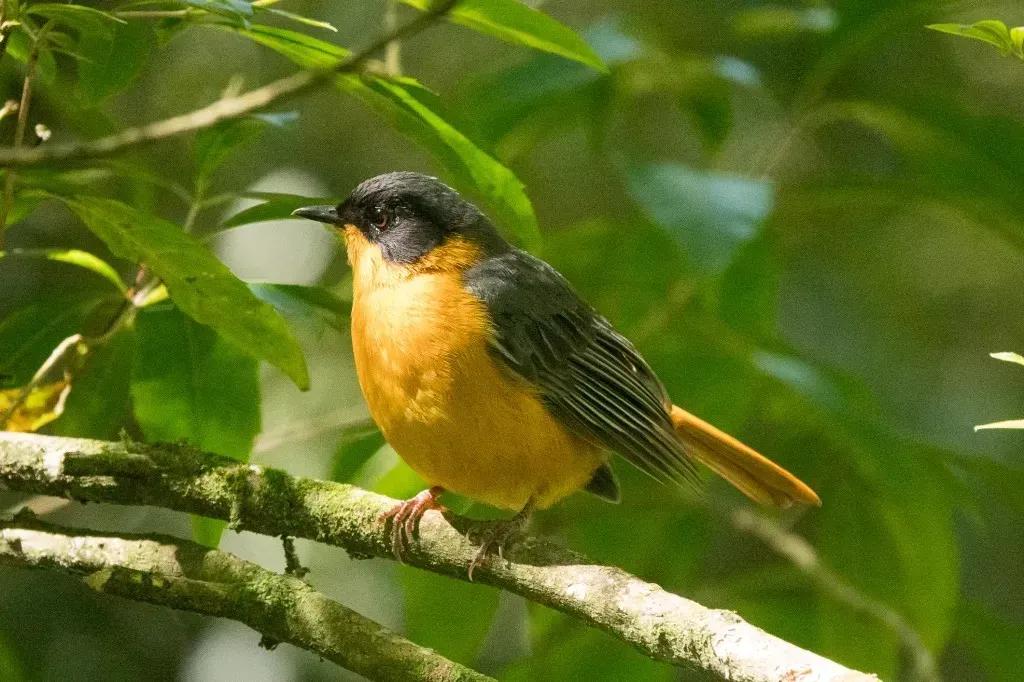
It’s early morning. Your inbox is already overflowing, notifications are buzzing, and you’re running late, another rushed, stressful start to the day. Then a sudden flash of color catches your eye. A small bird lands on your balcony railing, tilts its head curiously, and lets out a chirp.
For a moment, everything else fades. You pause. You breathe. Your body loosens its grip.
That’s the quiet power of bird watching. Many people dismiss it as an old-fashioned hobby, bute a growing body of research suggests that seeing and hearing birds can support mental wee-being in meaningful, lasting ways. In a screen-saturated world of constant dealines and digital noise, birdwatching offer something rare: a simple way to slow down, reconnect with nature, and return to the present moment.
Below, we’ll look at the science-backed benefits of birdwatching, how it fits into a positive living lifestyle, and practical ways to build a consistent birdwatching habit. Whether you’re stepping outside for a few minutes or using smart tools to make it easier on busy days.
The Science-Backed Mental Health Benefits of Bird Watching
Birdwatching is more than a pleasant pastime. Research increasingly links everyday bird encounters—seeing them, hearing them, noticing their behavior—with improved mood and reduced stress.
Everyday bird encounters and well-being: A well-known study from King’s College London (2022) reported that people tended to experience better mental well-being after seeing or hearing birds, with benefits that could last for hours. Notably, the association was also observed among people reporting depression. (If you include this in a published piece, it’s best practice to link to the study or official summary page.)
Attention and restoration in nature: Environmental psychology research, including Attention Restoration Theory, suggests that natural settings can help the brain recover from mental fatigue. Birdwatching is a particularly “gentle-focus” activity—engaging enough to hold attention, but not so demanding that it depletes you.
While researchers continue to refine what drives these effects, several consistent benefits are widely discussed:
1.1 Lower Stress and Calmer Nervous System
Birdsong and the gentle rhythms of nature signal safety to the brain, helping to lower cortisol, the primary stress hormone, and shift the body from alertness to relaxation.
1.2 Improved Attention and Focus
According to Attention Restoration Theory, natural environments with “soft fascination” (like watching birds flutter or forage) allow the brain to recover from mental fatigue. Unlike scrolling on social media, bird watching replenishes cognitive energy rather than draining it.
1.3 Mood Support and Emotional Resilience
Areas with greater bird diversity are often linked to lower levels of anxiety and depression. The variety of colors, songs, and behaviors stimulates dopamine, the brain’s feel-good chemical, while adding novelty and interest to daily life.
1.4 Mindfulness in a Form That Feels Natural
Observing birds keeps you anchored in the present moment. Birds’ movements, calls, and interactions naturally cultivate mindfulness. This practice is well-known for improving emotional regulation and reducing rumination on negative thoughts.
In a word, bird watching is not only a hobby but a scientifically proven way to improve mental health.
Why Bird Watching Fits So Well with Positive Living
Positive living is built from small, repeatable habits that help you feel grounded—physically, emotionally, and socially. Birdwatching fits seamlessly because it’s low-cost, low-pressure, and easy to personalize.
2.1 Cultivating Gratitude
Bird watching trains you to notice small detailes: a chirp at sunrise, wing fluttering, or a bird making a nest. Such instances make you grateful, and you are able to take your mind off stress and focus on appreciation. In the long run, such an attitude leads to emotional strength and a more positive attitude towards life.
2.2 Strengthening Your Connection to Nature
Many of us feel disconnected from the natural world amid urban routines. Bird watching restores that bond without requiring travel or major lifestyle changes. Even from a balcony or window, it reminds you that you’re part of a larger, living ecosystem.
2.3 Encouraging Family Bonding
Bird watching can be a family activity that can bring people closer. Simple tasks like identifying birds, keeping simple journals, or viewing feeders together are interactions with significance. Developing curiosity, patience, and natural awareness is especially helpful to children.
2.4 Replacing Digital Distraction with Something Restorative
Birdwatching offers a healthier default in spare moments: instead of reflexively reaching for your phone, you look up and listen. It’s a practical, sustainable way to build mindfulness into everyday life.
Bird watching isn’t really about the birds, it’s about reclaming calm and attention.
What Gets in the Way
If birdwatching is so beneficial, why don’t more people do it consistently? Real life gets in the way:
Hectic schedules: Work schedules are long, and they have daily duties that allow minimal time to go out.
Lost time: Birds don’t follow our calendars, it’s easy to miss them.
Difficulty in identification: Novices usually experience problems with the recognition of various species.
Poor access to nature: The city might not have ready access to birds.
Fortunately, technology has removed many of these barriers, making bird watching more accessible and enjoyable than ever.
A Help Option: Smart Birdwatching at Home
One of the simplest ways to make birdwatching consistent is to bring it to you.
Smart bird feeders let you observe birds from home—without needing perfect timing or extended outdoor time. A popular example is the Birdfy AI Smart Bird Feeder, which combines a live camera with AI-powered bird identification to help beginners recognize visiting species more confidently. It can also send notifications when birds arrive, so you don’t miss the moment during a busy workday.
For many people, tools like this aren’t about “doing birdwatching perfectly”—they’re about making it easier to pause, notice nature, and keep a healthy ritual going even when life is hectic.A
Practical Beginner’s Guide: Building a Daily Bird-Watching Habit
You don’t need expertise or expensive gear to start. With a bit of intention, bird watching can become a soothing daily ritual that nurtures your mental health.
5.1 Create a Bird-Friendly Sot
Find a very quiet place, such as a balcony, backyard, or windowsill. Add bird feeders or native plants to attract various species. With an appropriate installation, even a minor area can turn into an active bird habitat.
5.2 Set a Simple Rountine You Can Keep
Reserve 10-30 minutes each day, preferably in the morning or evening when birds are most active. Treat this as sacred “me time”—sit quietly, put distractions aside, and simply observe.
5.3 Make It Fun to Track Progress
Keeping a record adds excitement and a sense of progress. Use a simple notebook or let a smart feeder like Birdfy automatically identify species and log visits for you.
5.4 Connect with a Community
Join online birding groups or social platforms where enthusiasts share photos and insights. You’ll learn faster and feel motivated by the shared joy.
5.5 Reflect on Your Mood
Once a week, jot down how you feel before and after your bird-watching time. Over weeks, you’ll likely notice clear improvements in stress levels, focus, and overall mood. These small steps can transform bird watching into a lasting pillar of mindful, positive living.
Two Realistic Examples of Long-Term Benefits
Bird watching can be a very simple process, but it can have a great influence on everyday life. The life stories of people who have adopted this small habit demonstrate that it brings significant emotional and mental change in due course.
Story 1: A Busy Mom Finds Calm
Emma, a working mother juggling career and family, felt constantly overwhelmed. She introduced evening bird watching with her children using a smart feeder. Within weeks, it became their cherished routine. Emma reported feeling more relaxed and present, with her anxiety noticeably reduced. Best of all, it replaced screen time with meaningful, joyful bonding.
Story 2: Isolation to Connection
David, a remote worker living alone, struggled with loneliness and a lack of daily rhythm. He began watching birds from his apartment window and gradually learned to identify different species. Sharing his observations in online communities connected him with like-minded people. Over time, his sense of isolation faded, and he felt mentally refreshed and more engaged with life.
Conclusion
Bird watching is more than a hobby, it’s a gentle yet powerful pathway to positive living. Backed by science and enriched by personal experience, it offers a simple way to reduce stress, sharpen focus, and return to the present moment.
You don’t need to travel far or spend much. The opportunity is right outside your window, on your balcony, or in your backyard.
Start today. If you want to make the experience even richer and more convenient, smart tools can help bring professional-level bird watching into your daily life. The Birdfy Bird Feeder makes it effortless to welcome nature home.