

Nobody expects to get hurt during an ordinary day at work. Whether you're heading into an office, working in a warehouse, or carrying out maintenance on a commercial building, you generally assume the environment around you is safe. The bad news is that it's often the familiar surroundings that people stop paying attention to.
A damaged step might be ignored for weeks, or a storage area could gradually become so cluttered that moving around is difficult. These problems rarely seem urgent until somebody gets injured. For employers, taking workplace safety seriously means noticing those everyday risks and dealing with them before they cause trouble.
Pay Attention to the Areas People Use Every Day
Some workplace hazards are surprisingly easy to spot once you start looking. Trailing cables, slippery entrance floors, and poorly lit corridors can all increase the chances of someone having an accident.
The trouble is that employees become accustomed to these conditions. If they've spent months stepping around the same obstacle, they might not think to report it. That's why regular inspections are important, particularly in busy areas where equipment and people are constantly moving.
It's also worth making hazard reporting straightforward. Employees shouldn't have to complete endless paperwork just to point out a loose floor tile or damaged handrail. When you take concerns seriously, smaller problems are more likely to be addressed promptly.
Don't Forget About Working at Height
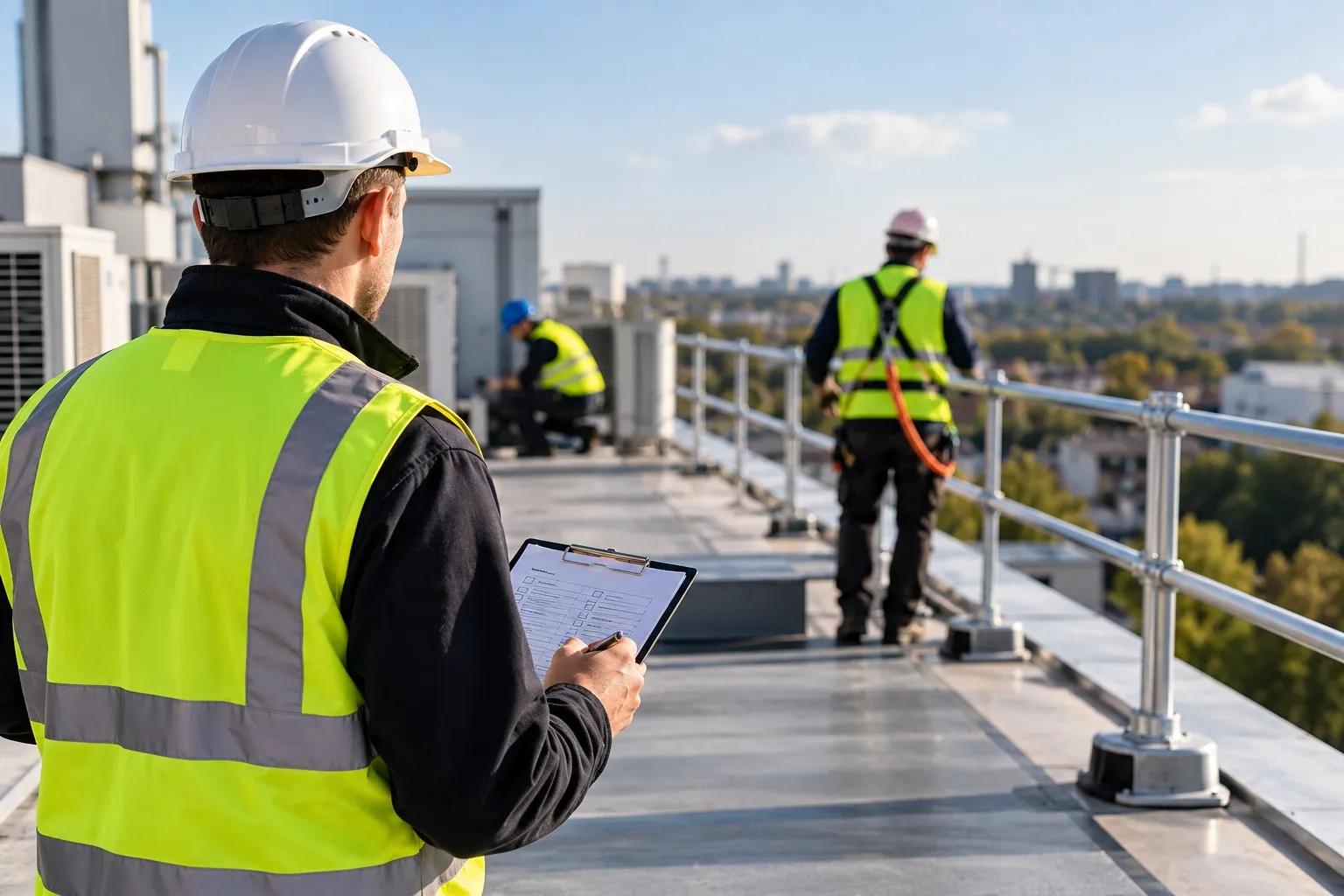
Workplace safety doesn't stop at ground level. Many commercial buildings have rooftop equipment that needs regular maintenance, including ventilation systems, air conditioning units, and other essential installations.
Although these jobs may take only a short time, accessing a roof can expose workers to serious fall hazards. Weather conditions, fragile surfaces, and unprotected edges all need to be considered before work begins.
Where regular rooftop access is necessary, collective protection measures can help reduce the risk of falls. Kee Guard edge protection includes guardrail systems designed to provide permanent barriers around exposed roof edges. Different configurations are available for commercial and industrial buildings, depending on the roof design and access requirements. Any installation should be properly assessed, fitted, and inspected to ensure it remains suitable for the building.
Make Safety Training Relevant to the Job
Most businesses have safety procedures, but a handbook isn't the same as ensuring everyone understands what to do. New employees need practical guidance about the hazards they'll encounter, while experienced workers benefit from occasional refresher sessions. This becomes particularly important when new equipment arrives, or working practices change.
Managers should also set the right example. If supervisors regularly ignore safety rules to save a few minutes, employees may begin treating those shortcuts as normal. Good training doesn't need to be unnecessarily complicated. Clear instructions, practical demonstrations, and opportunities to ask questions can make a real difference.
Encourage People to Speak Up
Employees often notice problems before management does. They know which equipment isn't working properly, where walkways become congested, and which tasks feel unnecessarily risky.
Creating an environment where people feel comfortable raising concerns is therefore an important part of preventing accidents. Just as importantly, managers need to respond, rather than letting reported problems disappear into a maintenance list.
A safer workplace isn't built through one major improvement or an occasional inspection. It comes from paying attention to everyday conditions, maintaining equipment, and taking employee concerns seriously. Those simple precautions help make work safer for everyone.