

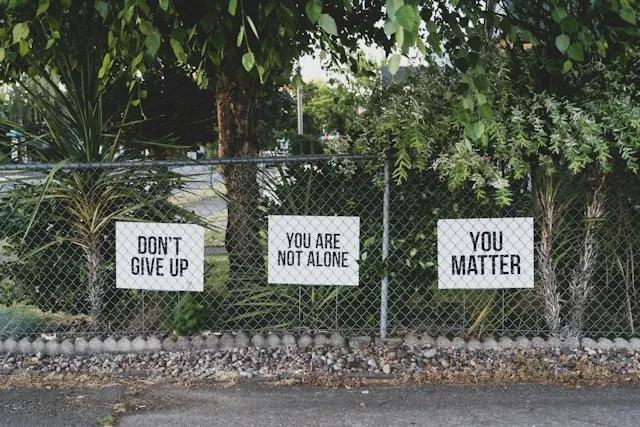
Addiction recovery rarely follows a straight path. Some days may feel steady and hopeful, while others bring cravings, doubt, or setbacks that make progress seem invisible. Relapse is more common than any person battling addiction can imagine, and it happens to be the biggest challenge for such individuals.
According to the International Society of Substance Use Professionals, studies indicate an alarming 40–60% of people in recovery experience at least one relapse. Imagine going through recovery for several months, battling your addiction every single day, and falling into the habit again despite trying your best.
However, if recovery feels slower than expected or you falter along the way, it does not mean you are failing. Healing takes time, and small, consistent steps can gradually rebuild confidence, stability, and hope. Recovery is not about becoming perfect overnight, but about continuing to move forward, even when the road feels long.
Understand That Recovery is a Non-Linear Journey
In a Psychology Today article, therapist and author Sam Louie discusses the concept of relapse being a part of addiction recovery. However, many patients start therapy with an all-or-nothing approach. He emphasizes that understanding that recovery isn’t linear can support an individual in reducing shame.
Recovery looks different for everyone because every person brings a unique history, set of challenges, and support system to the process. Someone may make rapid progress in one area of life while still struggling with cravings, relationships, work stress, or mental health symptoms. That does not mean their recovery is incomplete for them. It means healing is happening in layers.
Cravings, emotional triggers, loneliness, conflict, and old habits can all affect recovery. A stressful week, an anniversary of a difficult event, or an unexpected reminder of past substance use can make you feel suddenly vulnerable. These moments are difficult, but they are also opportunities to practice coping skills and ask for support before patterns escalate.
Instead of judging progress by a single hard day, look at the bigger picture. Progress is often measured over weeks and months, not by whether every day feels easy.
Celebrate Small Wins and Everyday Progress
When you feel that recovery is slow, small wins matter more than they may seem. Attending a support meeting, keeping a routine, preparing a healthy meal, going for a walk, or choosing a healthier response to a trigger should be seen as meaningful accomplishments. These actions may feel ordinary, but they help rebuild trust in yourself and strengthen the habits that support lasting change.
Setting realistic goals is another way to make recovery feel more manageable. Rather than expecting to resolve every challenge at once, focus on one or two achievable steps each day. For example, you might commit to attending one meeting this week, or practicing a relaxation technique before bed. Clear, attainable goals create momentum for recovery without adding unnecessary pressure.
Self-compassion can be a game-changer for people going through recovery. Avoid comparing your timeline to someone else’s, as it can create shame and discouragement, even when making real progress. Recovery is not a competition. Treat yourself with the same patience and encouragement you would offer a friend who is working hard to change their life.
Seek Professional Help When Progress Feels Stalled
There are phases when you may feel stuck, but it does not mean you have to figure everything out alone. Addiction specialists, therapists, and counselors can help identify barriers that may be slowing progress. They can help you understand whether unresolved trauma, anxiety, depression, or an unsupportive environment is affecting your recovery. You can also consider outpatient and residential addiction treatment programs.
Legends Recovery Centers explain how the right environment and culture made available with such programs motivate patients and result in optimal outcomes. Moreover, evidence-based treatment can provide structure and practical tools. Behavioral therapies can help people recognize triggers, manage cravings, develop coping plans, and change patterns connected to substance use. For some substance use disorders, medication may be appropriate.
Professional addiction treatment services can be especially helpful when someone needs personalized guidance, more intensive care, or support in managing recurring substance use. Treatment plans can be customized and adjusted over time as needs change. Seeking help is a proactive decision to protect your health and strengthen your recovery.
Build a Support System That Encourages Lasting Change
Isolation can make recovery feel heavier for many individuals. A recent study published by Nature highlights the critical role of social support in initiating and sustaining recovery from substance use disorders (SUDs). Traditionally, support via professionally directed clinical services and peer-led mutual-help organizations has been widely used by patients.
However, community-based recovery support services have also emerged as an important pathway, offering broader and more flexible recovery options. Recovery Community Centers (RCCs), for example, provide peer-driven, holistic support aligned with individuals’ needs.
Digital recovery support services (D-RSS) address barriers related to cost, geography, and social constraints for broader access. Collegiate recovery programs (CRPs) help individuals within academic environments.
Besides these structured systems, you can approach trusted friends, supportive family members, and peer support groups when you feel alone. Honest conversations are a powerful part of support. Letting someone know when you are struggling, tempted, overwhelmed, or discouraged allows them to offer encouragement and accountability.
Reconnect With Purpose and Build a Sustainable Routine
Recovery becomes more sustainable when life begins to include things that feel meaningful beyond avoiding substance use. Hobbies, creative activities, volunteering, education, and supportive relationships can help restore a sense of identity and purpose. Even small sources of enjoyment can remind you that a fulfilling life is possible.
A steady routine supports both physical and emotional well-being. A scoping review highlights the importance of self-care during addiction recovery. For example, exercise, therapy, or meditation can strengthen physical and emotional well‐being. At the same time, they can help sustain the recovery process in the long term.
Consistent sleep, balanced meals, and stress-management practices can make it easier to handle cravings and difficult emotions. Treatment programs often emphasize lifestyle changes, coping skills, and healthy routines because they help reduce relapse risk. Try to focus on building a fulfilling life one day at a time rather than expecting immediate transformation.
Frequently Asked Questions
Why does addiction recovery sometimes take longer than expected?
Recovery timelines vary because each person’s circumstances are different. Substance use history, physical and mental health, co-occurring conditions, stress, relationships, housing, and available support can all affect the pace of healing. There is no universal timeline, and needing more time does not mean you are doing recovery incorrectly.
What should you do if you feel stuck in addiction recovery?
Start by reviewing your current goals and identifying possible triggers, stressors, or unmet needs. Reconnect with a trusted support person, attend a meeting, or speak with a qualified addiction professional about adjusting your recovery plan. A professional can help you build new coping strategies and determine whether additional treatment or support is needed.
Does a relapse mean that addiction recovery has failed?
No. A return to substance use does not erase the progress you have already made. It is a signal to contact a treatment professional or support network promptly, reassess your needs, and strengthen your recovery plan. Because tolerance can decrease after a period of reduced use, using the same amount as before can increase overdose risk; seek urgent medical help immediately if an overdose is suspected.
Key Takeaways
Recovery data | Key finding |
Relapse rates | An estimated 40–60% of people with substance use disorders experience relapse, according to the National Institute on Drug Abuse (NIDA). |
Recovery support | Peer support groups and professional treatment can help people sustain recovery. |
Recovery approach | Treatment plans can be adjusted to address changing needs, triggers, and challenges. |
Relapse prevention | Recognizing triggers, developing coping skills, and maintaining support can help reduce relapse risk. |
Recovery is built through patience, support, and continued effort, not through flawless progress. When the process feels slow, remember that every meeting attended, craving managed, honest conversation, and healthy choice is part of your healing. Recognize how far you have come, seek help when you need it, and stay open to the possibility of a healthier, more hopeful future.