

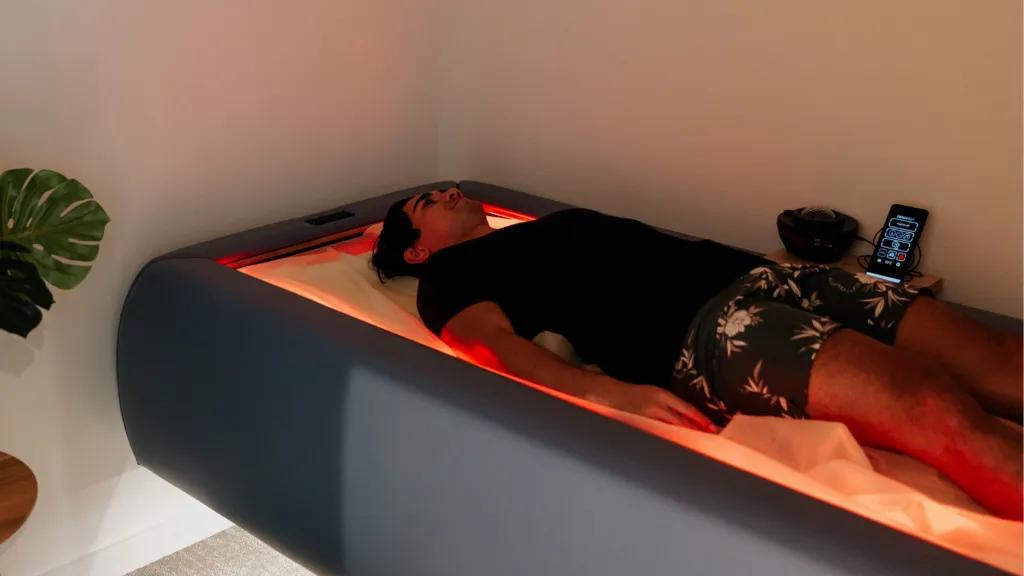
Modern life can place considerable demands on both the body and mind. Long work hours, busy schedules, regular exercise, family responsibilities, and constant connectivity often leave little time for proper rest and recovery. As a result, many people are exploring wellness practices that encourage relaxation and help create balance within their daily routines. Individuals interested in dry float therapy in Cronulla at RCVRI are often looking for recovery experiences that support both physical and mental wellbeing without requiring strenuous activity or significant time commitments.
Dry float therapy has gained popularity as a recovery and relaxation modality because it provides a unique sensation of weightlessness while allowing individuals to remain completely dry. This experience creates an environment designed to promote rest, relaxation, and recovery from the pressures of everyday life.
Recovery Is an Important Part of Overall Wellbeing
Many people focus on productivity, exercise, and daily responsibilities while paying less attention to recovery. However, recovery plays an important role in supporting long-term wellbeing and helping individuals maintain balance in their lives. Recovery is not limited to athletes or highly active individuals. Everyone experiences physical and mental demands that can contribute to fatigue and stress. Creating opportunities for rest and recovery helps support overall health and encourages a more sustainable lifestyle.
Common recovery practices may include:
Quality sleep
Mindfulness activities
Gentle movement
Massage and bodywork
Relaxation therapies
Incorporating recovery into a regular routine helps promote a healthier relationship between activity and rest.
The Sensation of Weightlessness Encourages Relaxation
One of the unique aspects of dry float therapy is the sensation of weightlessness it creates. During a session, the body is supported in a way that reduces pressure on muscles and joints while allowing individuals to relax comfortably. This floating sensation can provide a welcome contrast to the physical demands of everyday life. Whether sitting at a desk, standing for long periods, or participating in regular exercise, many people spend much of their day placing stress on their bodies.
Experiencing temporary weightlessness may help create a sense of ease and comfort that encourages relaxation. This environment allows individuals to step away from daily distractions and focus on rest. The ability to fully relax can be an important component of effective recovery.
Mental Relaxation Is Just as Important as Physical Recovery
Recovery is often associated with physical wellbeing, but mental recovery is equally important. Daily responsibilities, work commitments, and ongoing stimulation can contribute to mental fatigue and increased stress levels. Taking time to disconnect from external demands allows the mind to slow down and recharge. Recovery practices that encourage relaxation may help individuals feel more refreshed and balanced following a busy day or week.
Many people seek opportunities to:
Reduce mental clutter
Step away from technology
Create moments of calm
Improve focus and clarity
Support stress management
Dedicated recovery experiences provide a valuable opportunity to prioritise mental wellbeing alongside physical recovery.
Dry Float Therapy Complements Active Lifestyles
People who maintain active lifestyles often recognise the importance of balancing exercise with recovery. Physical activity places demands on the body that require adequate rest and recovery to support long-term participation and enjoyment. Dry float therapy is frequently incorporated into broader recovery routines because it provides a passive recovery experience. Unlike exercise or mobility work, it allows individuals to focus entirely on relaxation without additional physical effort.
Whether someone participates in gym training, running, Pilates, team sports, or recreational activities, recovery remains an important component of maintaining an active lifestyle. Supporting recovery helps individuals continue participating in activities they enjoy while promoting overall wellbeing.
Creating Dedicated Time for Recovery Can Be Beneficial
Many people struggle to prioritise recovery because daily schedules are often filled with work, family commitments, and other responsibilities. Recovery can easily be overlooked when there always seems to be something else requiring attention. Setting aside dedicated time for relaxation helps create a healthier balance between activity and rest. Recovery sessions provide a structured opportunity to step away from distractions and focus entirely on personal wellbeing.
Some benefits of dedicated recovery time may include:
Improved relaxation habits
Greater awareness of physical tension
Better work-life balance
Opportunities for mental rest
Enhanced overall wellbeing
Making recovery a regular part of a wellness routine can contribute to long-term lifestyle sustainability.
Recovery Practices Support Everyday Performance
Recovery is not solely about preparing for exercise or athletic performance. It also supports how people feel and function during everyday activities. Individuals who feel rested and refreshed are often better equipped to manage daily responsibilities and challenges. Physical and mental recovery may influence energy levels, concentration, mood, and overall comfort throughout the day. Creating opportunities for regular recovery helps support these aspects of everyday life.
By incorporating recovery-focused activities into their routine, many people find it easier to maintain consistency across work, family, exercise, and social commitments. Recovery helps create a foundation that supports broader wellbeing goals. This holistic approach recognises that performance extends beyond sport and includes the demands of everyday living.
Modern Wellness Is About Balance
Wellness trends increasingly emphasise balance rather than extremes. While exercise, healthy eating, and productivity remain important, there is growing recognition that recovery and relaxation are equally valuable components of a healthy lifestyle. Dry float therapy reflects this shift by providing an experience centred around rest, recovery, and relaxation. Rather than focusing on exertion or performance, it encourages individuals to slow down and reconnect with their wellbeing.
A balanced wellness approach acknowledges the importance of both activity and recovery. By giving equal attention to each, individuals may be better positioned to maintain healthy routines over the long term. This balance often contributes to greater sustainability and overall quality of life.
Conclusion
Dry float therapy offers a unique approach to relaxation and recovery by creating a sensation of weightlessness that encourages both physical and mental rest. As modern lifestyles become increasingly demanding, many people are seeking recovery practices that help them slow down, recharge, and support overall wellbeing.
Whether used alongside an active lifestyle or as part of a broader wellness routine, dry float therapy provides an opportunity to prioritise recovery in a calm and supportive environment. Its focus on relaxation, balance, and restorative experiences makes it an appealing option for individuals looking to improve their overall sense of wellbeing. By recognising the value of recovery and making time for relaxation, individuals can support healthier, more sustainable lifestyles while creating greater balance between the demands of everyday life and personal wellbeing.