

Image source: unsplash
An office is more than just a place where work happens. It influences employees’ moods, relationships, and performance from morning to evening. As soon as staff enter, the setting communicates quiet cues about how valued and supported they are.
A Business.com article notes that a positive work environment boosts employee engagement, productivity, creativity, health, and loyalty. It helps companies perform better and retain talent. A negative atmosphere, on the other hand, increases turnover and hurts performance. The right environment cultivates a supportive culture that values well-being, listens to staff, and offers flexibility and growth opportunities.
However, this work environment is not only influenced by the people in it. The physical aspects, such as lighting, layout, noise levels, and even the placement of desks, can influence energy, focus, and overall satisfaction. As companies focus more on well-being and balance, the way an office is designed has become a clear expression of those priorities.
The Connection Between Physical Space and Mental Health
A Scientific American article explains that the human brain constantly identifies patterns in everyday events without any conscious effort. This happens as neurons in areas like the hippocampus and entorhinal cortex automatically integrate information about what happens and when. This allows the brain to pick up hidden regularities and even anticipate what comes next.
The same thing happens through workspace design, too. Harsh lighting, cluttered areas, and cramped seating can lead to subtle stress responses in the brain that build over time. On the other hand, natural light, open walkways, and comfortable seating encourage a sense of ease.
Because the environment affects how people feel, even small design decisions can steadily influence team spirit. Color schemes also carry psychological weight. Softer tones often create a calming effect, while brighter shades can spark creativity and alertness.
When these elements are balanced across different areas of the office, employees gain spaces that match the type of work they need to do.
Designing for Comfort and Movement
Comfort goes beyond providing a chair and a desk. This means building a space that allows employees to move, change posture, and take short breaks freely.
Modern offices often include varied seating options, adjustable desks, and open areas that encourage movement throughout the day. This approach helps reduce physical strain while supporting mental clarity.
The ergonomic furniture market is, therefore, growing steadily. The global ergonomic furniture market, valued at $20,836.6 million in 2023, is projected to exceed USD 22,211.8 million in 2024. It could further reach $42,884.1 million by 2034. This reflects a growth at a CAGR of 6.8% over the decade. Therefore, careful planning of sourcing and office furniture installation is essential to employees' overall well-being.
According to FourSpoke, businesses should work with experts who have the right set of experience. They will be able to handle site assessments, appropriate installation, and ongoing management, while ensuring clear and transparent communication.
Supporting Collaboration Without Sacrificing Focus
An effective office design recognizes that work styles vary throughout the day. Some tasks call for quiet concentration, while others thrive on conversation and teamwork. Thoughtful layouts create a natural separation between these zones, allowing both to exist without disrupting each other.
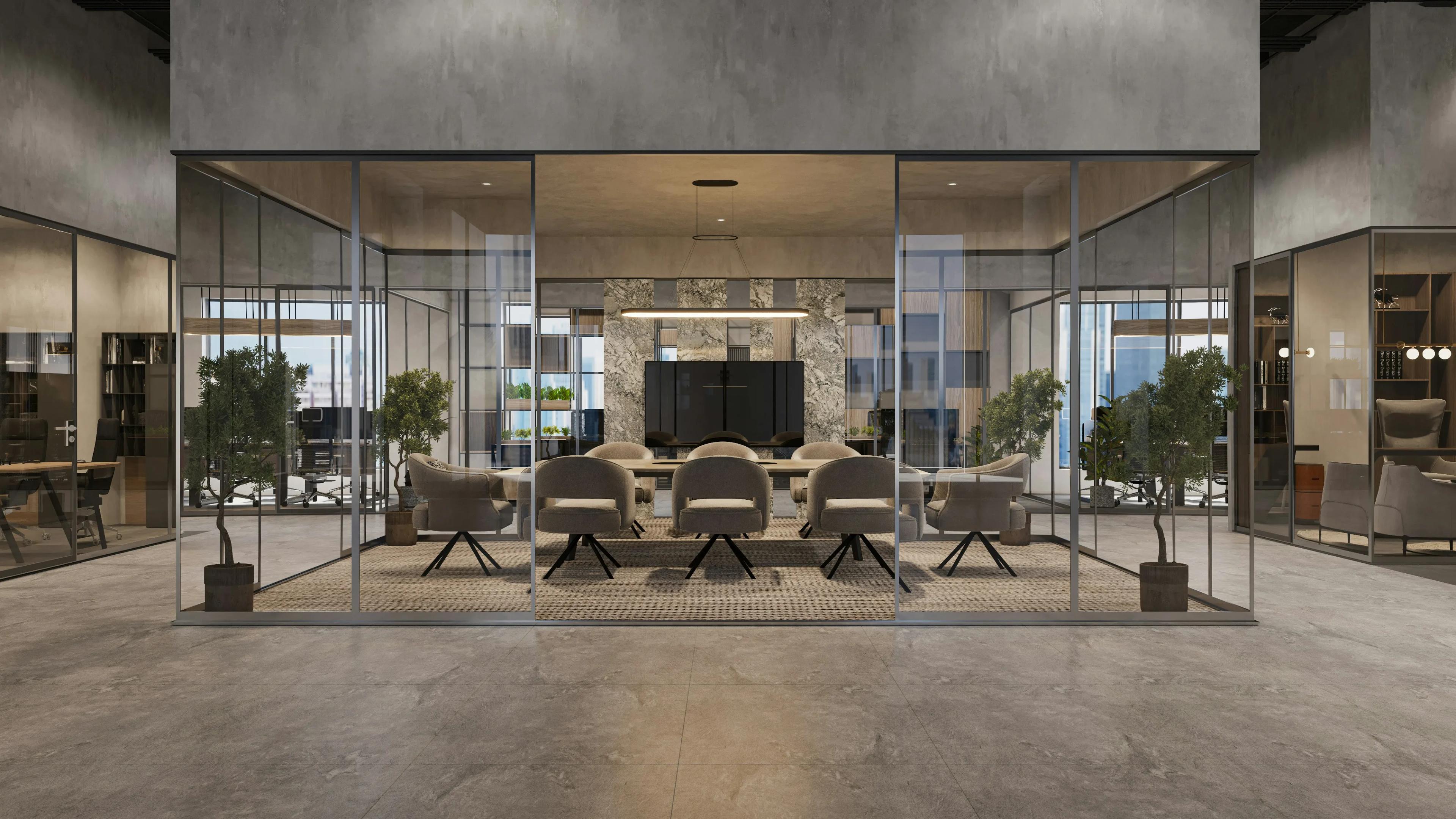
Glass partitions, soft dividers, and strategically placed meeting areas can provide visual openness while keeping noise under control. IBM also supports and uses these partitions in its workplace design.
It states that different types of partition walls are used in interior architecture to define work settings and balance privacy, visibility, and light in the office environment. Solid walls create enclosed or semi-enclosed areas for focused work, while glass partitions let natural light travel deeper into the space.
Soft partitions, such as drapery, offer flexible separation in open areas without sacrificing adaptability. This balance helps employees shift between independent work and group discussions without feeling overwhelmed by constant activity. Over time, this flexibility contributes to a sense of control, which can reduce stress and support a healthier work rhythm.
The Role of Nature and Sensory Elements
Adding natural features to the office can help lift spirits and sharpen concentration. Indoor plants, access to outdoor views, and natural materials such as wood or stone create a subtle connection to the outside world. These details can reduce the formal tone of a business setting and create a warmer atmosphere.
A Nature journal study finds that biophilic workplace design can improve employee well-being in open-plan offices by increasing workers’ exposure to nature. However, its positive effects depend largely on how connected employees already feel to the natural environment. This sense of nature-relatedness leads to greater engagement with natural elements and boosts vigor, which then mediates improvements in both job-related and overall well-being.
Light ambient sounds, like low-volume music or white noise, can help cover distracting noise in shared spaces. Neutral or lightly fresh scents can make the environment feel cleaner and more welcoming. Together, these sensory details help shape a workspace that feels balanced rather than overwhelming.
Creating a Culture of Care Through Design
When employees see that their comfort and well-being have been considered, it sends a message about organizational values. A well-designed office suggests that leadership pays attention to daily experiences, not just performance metrics. This perception can strengthen trust and contribute to a more positive workplace culture.
Spaces for breaks, informal conversations, and quiet reflection can also encourage healthier habits. Whether it is a small lounge area or a window seat for a brief pause, these areas remind employees that taking a moment to reset is part of a productive day.
Another important aspect of a care-focused design culture is inclusivity. Workspaces that account for different physical abilities, sensory needs, and working styles help ensure that everyone feels welcome and supported.
Features such as adjustable lighting, clear signage, wider walkways, and quiet rooms for those who need a break from stimulation can make a meaningful difference. When employees see that the environment reflects a genuine effort to accommodate diverse needs, it reinforces a sense of belonging.
Frequently Asked Questions
How can small offices with limited space still improve well-being through design?
Even compact spaces can feel supportive with simple adjustments. Using lighter colors, mirrors, and vertical storage can make rooms feel more open. Multipurpose furniture and movable dividers allow teams to adjust layouts to meet daily needs. Small touches, such as personal storage areas and consistent lighting, can also help reduce stress in tighter environments.
How often should an office layout be reviewed or refreshed?
Regular check-ins, such as annual or biannual reviews, help ensure the space still matches how people work. Teams and projects evolve, and what felt functional a year ago may no longer fit current needs. Gathering employee feedback during these reviews can guide practical changes that keep the workspace aligned with daily routines.
Can workplace design influence employee retention over time?
While design alone cannot replace fair policies or strong leadership, it can shape how employees feel about spending their time at work. A space that feels comfortable, flexible, and considerate can support positive daily experiences, which often contribute to long-term satisfaction. This can influence whether people choose to stay with an organization.
Thoughtful workspace design shapes more than the look of an office. It influences how people feel when they arrive, how they interact throughout the day, and how they carry that experience beyond work hours. Through careful attention to comfort, movement, collaboration, and sensory details, organizations can create environments that support both performance and personal well-being.
As work continues to evolve, the physical spaces that support it will remain a powerful tool. A workplace that feels considered and supportive can help employees stay engaged, balanced, and ready to contribute their best, day after day.