

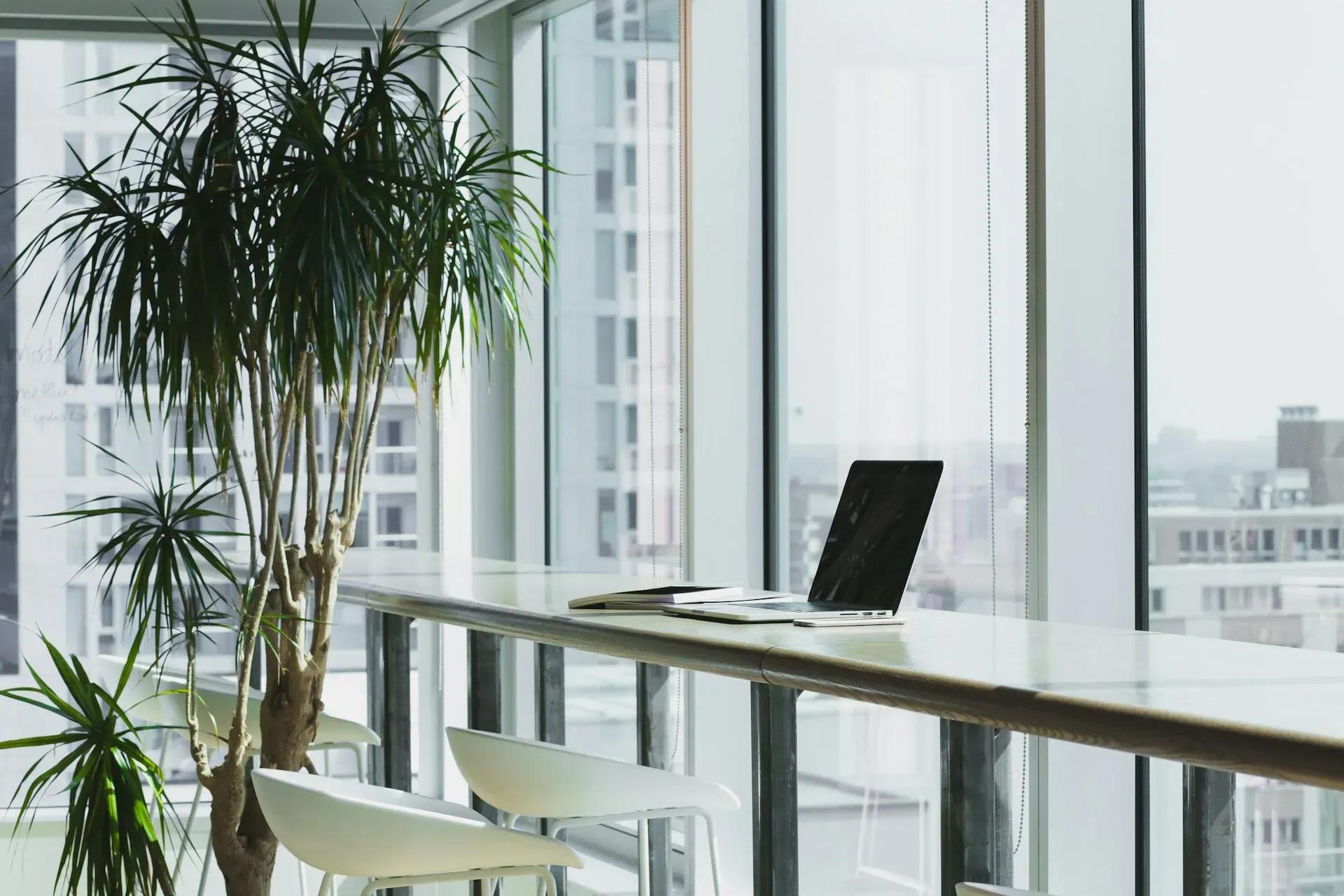
Image source: unsplash
Office design quietly shapes how people feel, think, and perform every single day. Most employees do not consciously analyze their surroundings, yet lighting, noise, layout, and even furniture choices influence stress levels and motivation.
When offices are poorly designed, burnout creeps in faster, collaboration feels forced, and focus becomes fragile. Thoughtful design, on the other hand, supports both mental and physical health without demanding extra effort from employees.
The shift toward well-being-focused offices is not about trends or aesthetics alone. It reflects a deeper understanding of how humans respond to space. Small design decisions compound over time, affecting posture, mood, energy, and connection.
Below are some office design changes that consistently improve employee well-being, along with why they work and how they influence daily experience.
Access to Natural Light and Visual Comfort
Natural light is one of the most influential yet overlooked elements of office design. Lighting shapes how people feel, focus, and sustain energy throughout the day.
Forbes cites research indicating that 68 percent of employees are dissatisfied with their office lighting, making it one of the most frequent workplace complaints. Lighting plays a direct role in regulating circadian rhythms that affect sleep, alertness, and mood.
Access to natural daylight helps employees feel more energized, focused, and emotionally steady throughout the workday. Offices can support this by prioritizing window access, using glass partitions, and avoiding layouts that block light flow.
When natural light is limited, lighting systems that mimic daylight tones and shift throughout the day can help reduce eye strain and mental fatigue. Visual comfort also improves when employees can adjust lighting at their own workstations, giving them control that reduces stress and supports sustained focus.
Flexible Workspaces That Respect Different Work Modes
One size rarely fits all when it comes to how people work. Some tasks demand deep concentration, while others thrive on collaboration and conversation. Offices that offer only one type of space force employees to adapt constantly, which increases cognitive load and frustration.
Flexible office design introduces a mix of quiet zones, collaborative areas, and informal spaces for reflection. Focus rooms support tasks that require sustained attention, while open tables encourage teamwork without the pressure of formal meetings. Thoughtfully planned office design solutions also include soft seating areas that give employees space to decompress or think creatively without distraction.
This variety supports autonomy. When employees choose where they work based on the task at hand, they experience greater control and less mental strain. Over time, this flexibility reduces burnout and supports healthier work rhythms, SPACESINC notes. It also recognizes that productivity looks different across roles, personalities, and even times of day.
Ergonomic Furniture That Protects Physical Health
Physical discomfort is one of the most underestimated sources of workplace stress. Poor chairs, awkward desk heights, and improperly positioned screens quietly strain the body throughout the day. Over time, this strain shows up as back pain, neck stiffness, and repetitive stress injuries. They reduce focus, shorten patience, and drain energy.
This risk is especially pronounced in office environments, where the body is under quiet but constant strain. The Spine Health Foundation reports that over 80 percent of U.S. jobs are predominantly sedentary, keeping people seated for most of the workday.
Add to that the fact that roughly 25 percent of Americans are physically inactive outside of work, and the concern deepens. Long hours of sitting, paired with limited movement, significantly raise the risk of spine-related pain and long-term musculoskeletal problems.
Ergonomic office design helps counter this by supporting natural posture and movement. Chairs that offer lumbar support, height-adjustable desks, and monitors set at the right eye level help minimize pressure on the spine. Layouts that encourage subtle movement or short walks further reduce stiffness, helping employees stay more comfortable and physically resilient throughout the day.
Acoustic Design That Reduces Noise-Related Stress
Noise is one of the most common complaints in modern offices, particularly in open-plan environments, and its impact is far from minor.
A 2025 survey reported by Facilities Management Journal shows that 56 percent of office workers describe their workplaces as noisy. Fewer than one in three feel their environment truly supports productivity. The effects extend beyond annoyance.
According to the same report, 36 percent of employees work from home specifically to escape office noise. A small but concerning share even links prolonged noise exposure to hearing damage.
Constant background chatter, phone calls, and equipment sounds steadily drain focus and mental stamina. Improved acoustic design helps counter this without limiting collaboration.
Sound-absorbing panels, ceiling treatments, and soft furnishings reduce ambient noise, while clear zoning separates collaborative areas from focused workspaces. When distractions fall, mental energy lasts longer, and workdays feel noticeably calmer and more manageable.
Biophilic Elements That Reconnect People with Nature
Humans have an innate response to nature, even in subtle forms. Nature reports that exposure to greenery at work is linked to higher vitality and better emotional balance. It also connects nature-related features with greater satisfaction in the work environment.
This approach, often called biophilic design, does not require dramatic changes to be effective. Simple additions like indoor plants, natural materials, and nature-inspired colors soften the environment.
Even indirect exposure, such as views of greenery through windows or nature-inspired artwork, supports mental recovery during cognitively intense tasks. These moments of visual relief help reduce fatigue and sustain attention across the workday.
When live plants are used, they also contribute to improved air quality and humidity, which can reduce headaches and physical discomfort. Over time, these subtle interventions shape offices that feel psychologically supportive rather than mentally exhausting.
FAQs
How to improve acoustics in an office?
Improving office acoustics starts with reducing echo and background noise. Sound-absorbing materials like acoustic panels, soft furnishings, carpets, and ceiling treatments help control noise levels. Creating quiet zones and separating collaborative areas from focused workspaces further reduces distraction and stress.
What are the core components of biophilic design?
Biophilic design centers on intentionally integrating natural elements into indoor spaces to create a stronger connection with nature. Its main elements include natural light, indoor plants, natural materials, organic forms, and views of greenery. These features help reduce stress, support mental clarity, and improve overall well-being.
What does ergonomic furniture mean?
Ergonomic furniture is created to align with the body’s natural movements and posture while working. It typically includes adjustable seating, desks, and workstation tools that help minimize stress on the spine, neck, and joints. Proper ergonomic furniture helps prevent discomfort, fatigue, and long-term musculoskeletal issues.
Overall, each design choice delivers its own benefit, but the real impact emerges when these elements work together cohesively. Combined, they create environments that align with human needs rather than working against them.
Employee well-being is not built through perks alone. It develops through daily experiences that reduce friction and support physical and mental health without demanding attention. When offices are designed with intention, employees feel quietly supported, which strengthens engagement, loyalty, and long-term performance.
In the end, putting effort into intentional office design is really an investment in the people who work there. When employees feel better at work, they bring greater clarity, creativity, and resilience to everything they do.