


For many people, getting a disability feels like the end of the world. Life is no longer what it used to be before the accident or illness. It pays to be hopeful despite the changes, especially since modern support for disabilities offers more than basic assistance.
Today's disability support services help people manage independence while considering their daily lives. Older systems typically followed a standard for every person regardless of their situation. Now, they remove many of the common obstacles and open opportunities.
Here's how these considerate support structures unlock your personal growth and more.
Person-Centered Planning
Every comprehensive support service starts with a clear personal plan. This plan stems from your goals and not preset standard programs. For instance, you might be aiming for reasonable accommodations, while another might seek to pursue college. The support for you will be entirely different from another's.
Professionals typically guide the process, but as the participant, you still have the final say. The support coordinators also gather input from close family members and therapists. Their discussions and plans will help shape the next steps for the months ahead.
Many reputable disability support services provide bespoke solutions, especially for older people with disabilities. Their programs often involve flexible scheduling, so participants can receive ample support when they need it. The in-home help these services offer may also be delivered on a short or long-term basis, depending on your needs.
Community Integration
What made older disability programs feel bleak for many was the isolation they caused. Previous systems separated participants, putting them in settings that rarely connected with daily life.
Nowadays, modern disability support services encourage regular participation in public spaces. Several community centers may host regular activities like art classes or fitness groups. Local organizations might also partner with support agencies to widen equal access to resources.
Transportation assistance makes these opportunities possible. Individuals with disabilities can now attend these events and visit friends on reliable rides. With access to everyday outings, you can build more confidence and strengthen your social ties.
Everyday Skills and Independence
Independence is one of the first things people with newly acquired disabilities lose. That's why it's often challenging to manage life without proper assistance. It's through daily activities like cooking dinner and doing errands that people learn to become independent.
Thankfully, many disability support services can teach these much-needed skills to survive independently. Training lets people with disabilities practice grocery shopping and organization in real environments. Some programs may even recreate apartment kitchens or transit stations for guided learning.
These practices are typically tailored to suit each person. Occupational therapists will adjust tasks to match individual strengths. For example, they tweak small changes in layout or technique to make difficult activities more manageable.
Employment and Educational Pathways
A steady job is something everyone should have the right to. It brings income as well as routine, purpose, and social connections. However, finding work as a person with a disability is often a long and arduous process.
Comprehensive disability support services can connect you to jobs with an inclusive environment. They'll introduce you to job coaches who can guide you in creating resumes and practice for interviews, among other skills. Once you're hired, coaching may continue as needed to provide you with long-term support.
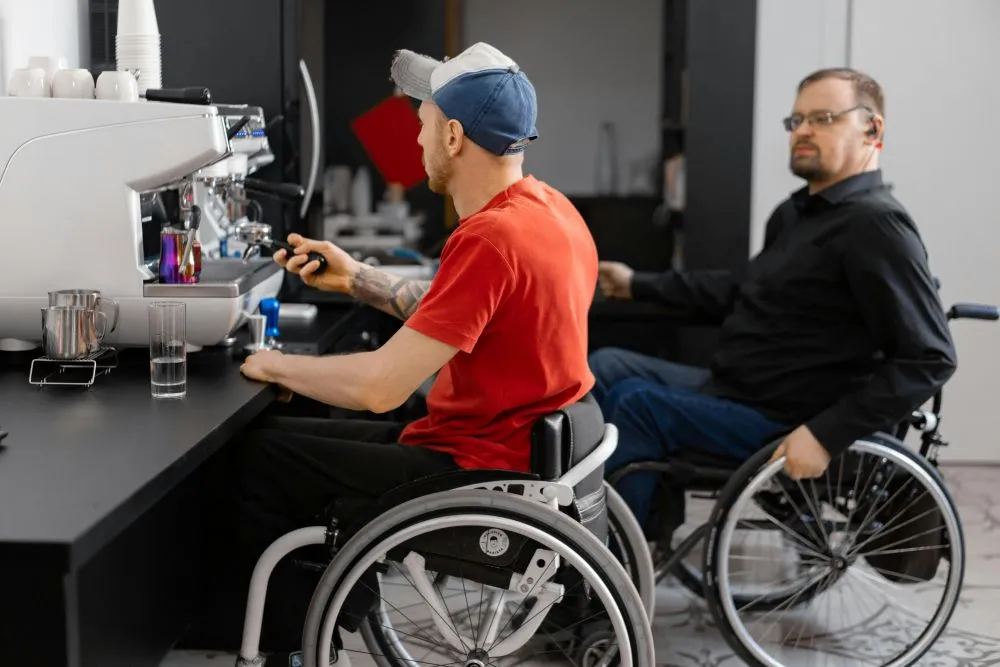
Many employers today welcome inclusive hiring programs and no longer practice disability discrimination. Workplace adjustments might include modified schedules, adaptive equipment, or quiet workspaces. Some participants even pursue small business ideas built around their personal interests.
If you wish to upskill, some programs may also offer you an educational opportunity, too. Learn more as you work to further your career and personal goals. Several schools are open to teaching students with disabilities, giving them more tools to navigate daily life.
Assistive Technology
Technology has quickly shaped modern support programs for people with disabilities. Instead of being exclusive to specialized care clinics, many devices can now be found and used at home.
Many support services provide training for assistive tools that simplify daily routines. Voice-controlled systems are a great example. They manage lights, alarms, and household devices. Just give some simple commands to control the environment independently.
Mobile apps assist with medication reminders and navigation, too. Modern communication tools help individuals who struggle with speech express their needs clearly. Regular staff training also ensures participants use each device even without constant supervision.
Family and Care Networks
Family and close relationships will always be the backbone of long-term care. Support systems work best when participants receive guidance and relief from those they trust.
Caregivers often appreciate practical guidance they can use right away. Training sessions cover communication, daily care techniques, and ways to ease tense moments at home. Clear explanations help families support independence while still respecting personal choice.
Many caregivers also need time to rest and recharge. Respite programs arrange temporary support so someone else can handle daily responsibilities. A short break often restores energy and helps families return to caregiving with patience and stability.
Stable Housing
Housing stability affects nearly every other area of life. Without a secure place to live, you're less likely to be employed or engage with your community.
Many disability support services now partner with housing providers to expand accessible options. Adapted apartments include wider doorways, adjustable counters, and safer bathroom layouts. These features allow residents to handle personal tasks more comfortably.
Supported housing programs offer light supervision while protecting your independence. Mentors may assist with rent payments, maintenance concerns, and neighborhood relationships. You can keep control of daily decisions while still receiving practical guidance.
To Conclude
Disability support has changed dramatically in recent decades. Early programs focused more on protection and supervision. Meanwhile, modern systems aim for independence and personal growth.
Strong disability support services work best when several supports connect smoothly. Personal planning, stable housing, job guidance, and helpful technology all support daily life. When communities back these efforts, people gain more freedom to build skills, pursue work, and shape the future they want.