Many people want to cook at home, but they feel unsure when they try to make comforting meals on a busy day. After work, it can be hard to decide what to cook, what ingredients to buy, or how much time it will take. These are common problems, and they stop a lot of new cooks from trying dishes they would enjoy. Comfort cooking should help you relax, not add more pressure.
This guide shows you how to prepare warm, familiar meals with less stress and fewer steps. You do not need special equipment or advanced skills. You only need a few basic habits that make cooking easier and help you build confidence. The goal is to show you how simple actions can lead to great results, even if you are new to the kitchen.
Start With Easy Recipes That Use Familiar Ingredients
Simple ingredients make comfort cooking much easier. When you choose items you already know, you lower the chances of feeling overwhelmed. Things like pasta, rice, potatoes, canned tomatoes, and basic vegetables work well for beginners. These ingredients cook in a predictable way, so you do not have to guess how they will turn out. They also work in many meals that rely on straightforward steps and everyday items.
Familiar ingredients also show their value in simple dishes that do not need advanced skills. A recipe like Instant Pot tortellini soup uses common ingredients such as broth, vegetables, sausage, and tortellini, and it shows how an easy mix of basics can make a complete meal without extra effort. When you work with foods you already understand, you keep the process manageable and reduce stress in the kitchen.
Focusing on well-known ingredients helps you practice basic skills like chopping, sautéing, and seasoning. You do not have to deal with tricky steps or unusual techniques. You can build confidence by making a small group of meals several times. When you feel more comfortable, you can explore new ingredients at your own pace.
Build a Small Set of Go-To Flavor Bases
A flavor base is a simple mix of ingredients that gives your dish structure. Learning a few basic ones helps you create meals that taste balanced without much effort. One common base starts with onions, garlic, and a small amount of oil. Another uses broth, tomatoes, or a little butter. These bases help you add depth to your cooking without using strict recipes.
When you understand how a flavor base works, you can adjust it to suit your taste. You can make it richer with a bit of tomato paste or keep it light with fresh vegetables. This makes comfort cooking easier because you do not rely on complicated instructions. You learn how flavors come together, and your meals start to feel more consistent.
Choose Cooking Methods That Don't Need Constant Attention
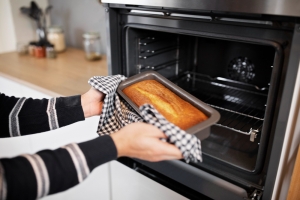
Low-maintenance cooking methods help beginners enjoy the process more. Baking, simmering, and slow cooking are great examples. These methods let your food develop flavor while you handle other tasks. You do not need to stand over the stove or check the pot every minute. You only need to follow a few clear steps and let the heat do the work.
These techniques also give you steady results. A baked casserole or a simmered stew offers comfort without surprises. When you pick methods that stay stable, you avoid the stress of high heat or fast timing. This makes home cooking feel more manageable and encourages you to try more dishes.
Keep Your Essential Tools to a Minimum
You do not need a packed kitchen to make good meals. A few reliable tools help you cook most comfort dishes without problems. A medium pot, a sturdy skillet, and a baking sheet handle the majority of your needs. A sharp knife and a wooden spoon round out the basics.
When you limit your tools, you make cleanup easier and reduce clutter. You also learn how to use each item well. This helps you avoid frustration because you do not have to switch between too many gadgets. Simple tools support simple cooking, and that is ideal for beginners.
Learn Simple Seasoning Habits That Build Confidence
Seasoning makes a big difference in comfort cooking. New cooks often feel unsure about how much salt or spice to use. The easiest way to learn is to taste your food as you cook. Add a small amount of salt, stir, and taste again. This helps you notice changes in flavor and understand how ingredients respond.
Acidity also helps bring balance. A small splash of lemon juice or vinegar can brighten a dish that feels dull. Mild spices like paprika or oregano add warmth without making the meal heavy. When you focus on small, steady adjustments, your dishes become more flavorful, and you gain confidence with every meal.
Pick Meals That Store Well for Busy Weeks
Some comfort foods work well when you make them ahead of time. They also help when you want warm meals during a busy week. Soups and stews keep their flavor for several days in the fridge. Pasta bakes store well and reheat evenly. Cooked rice and roasted vegetables hold their texture for a few days, which makes them easy to use in quick meals.
Storing food safely matters. Use airtight containers and place them in the fridge within two hours after cooking. Most cooked dishes stay safe for three to four days when stored at the right temperature. If you want to store food longer, freezing works well for soups, cooked meats, and many casseroles. Make sure the container has enough space for expansion during freezing. When reheating, heat food to a safe internal temperature to keep it safe to eat.
Build Confidence Through Repetition and Small Improvements
Repeating a recipe helps beginners understand timing and flavor. When you make a dish more than once, you start to notice how small changes affect the result. You learn how long vegetables take to soften or how different spices change the taste. This helps you adjust recipes to match your preferences.
Small improvements matter. You might add a little more seasoning, chop the ingredients a bit smaller, or adjust the cooking time. These changes help you gain control over the cooking process. When you understand what works for you, you feel more confident trying new dishes. Over time, you build a small set of meals you trust.
Comfort cooking becomes easier when you focus on simple steps, manageable tools, and flexible habits. Beginners do not need complex recipes to make warm, satisfying meals. By choosing familiar ingredients, using practical shortcuts, storing food safely, and learning how to swap items when needed, you can build a smoother cooking routine. Repeating meals and making small improvements also helps you grow your skills without stress. With these habits, anyone can enjoy comfort cooking without feeling overwhelmed.