Choosing where to plant roots in the United States is much more than chasing a job or being near family today. Today's buyer weighs lifestyle, convenience, walkability, green spaces, community values, and quality of life. Throughout the country, there are plenty of appealing places to settle down, but Texas stands out for its breadth and opportunity when it comes to communities for modern living. From suburban master-planned neighborhoods to lively small towns and amenity-rich developments, Texas offers options for every budget and vibe.
Be it the young pro looking for an active scene, a family for which safety and schools are paramount, or a retiree looking for comfort and connection, a feel for the living landscape helps you narrow things down. With the right information, the search becomes exciting rather than overwhelming.
What Makes a Community Truly Livable
Livability is more than curb appeal or buzzworthy slogans. It's about how a neighborhood supports daily life and leaves room to grow. In Texas, livability is shaped by several often-overlookooked factors: quality public services, community involvement, access to parks and recreation, local economic health, public safety, and a diversity of housing options.
Texas communities balance function and experience, whether broad suburban belts like those in Houston or the eco-conscious pockets in Austin. More thoughtful layouts of many neighborhoods incorporate interconnected parks, coffee shops, coworking spaces, and family-friendly recreation. Such elements create spaces that feel lively and supportive, giving residents a sense of belonging rather than isolation.
If you're considering a move, it's worth comparing how various communities address infrastructure, traffic patterns, green space, school access, and neighborhood amenities. It's these more subtle factors that will really shape daily life more than flashy features or new construction alone.
Master-Planned Communities: Texas's Modern Housing Trend
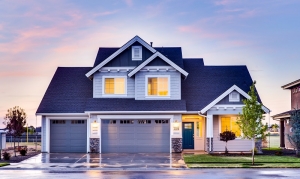
MPCs have become a major Texas housing trend, fueled by the abundant land and forward-thinking urban design. These communities generally marry homes with parks, trails, schools, and retail so that residents enjoy convenience and coherence within a short reach.
In cities like Katy, Frisco, and Georgetown, MPCs are built to take into consideration long-term growth and changing needs. They usually include neighborhood pools, fitness centers, lakes, playgrounds, and social clubs; all planned for a thriving communal atmosphere. This level of planning attracts families, retirees, and even young professionals looking for balance.
The appeal comes down to thoughtful design. Instead of a generic subdivision, residents join a living system—one that puts wellness, recreation, and connection in the foreground. This can have significant implications in property values over time and overall quality of life.
How Community Structures Shape Lifestyle Opportunities
Not all community structures offer the same strengths, and Texas offers more options than perhaps any other state in the country. Suburban neighborhoods can be affordable and expansive, while urban villages, small-town settings, and amenity-rich developments have their own set of advantages.
This is where knowledge of specific community types comes in handy. Some developments integrate houses with shared facilities and common space, along with coordinated governance. This is ideal for many because it provides the convenience of a managed neighborhood and the individuality of homeownership. When looking at these communities, particularly those in fast-growing areas around Dallas–Fort Worth or Houston, understanding how they function, their inclusions, and long-term benefits proves advantageous.
In fact, many Texas homebuyers begin researching different forms of planned developments and encounter concepts such as PUD in real estate, which often come up when comparing amenity-rich neighborhoods. Understanding how these communities function can give you clarity about maintenance fees, lifestyle perks, and how shared spaces enhance overall livability. As these developments grow in popularity across Texas, they become a key part of the conversation for anyone exploring long-term residential options.
Small-Town Charm and the Slower Pace of Living
Beyond MPCs and modern developments, Texas has hundreds of small towns that continue to attract new residents, particularly if one seeks to avoid urban congestion without sacrificing quality of life.
Towns like Dripping Springs, Wimberley, and Boerne have become popular due to their scenic beauty combined with a strong local culture and family-friendly environment. Community values—especially through local markets, festivals, and businesses that are locally owned—are stressed over big chains. Many of these towns are yet a short drive from major cities, so they are ideal for remote workers or commuters who crave peaceful surroundings.
Small-town living has a different cadence: slower, quieter, and more personal. For first-time buyers or families looking to settle down, these areas often boast excellent schools, lower crime, and community spirit. As Texas grows, these towns have become appealing alternatives to dense city life.
Urban Neighborhoods That Balance Energy and Comfort
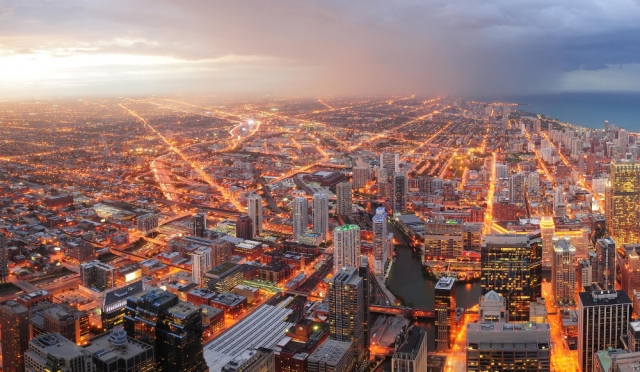
Some people still crave the buzz of city life, with its modern comforts. Cities such as Austin, Houston, San Antonio, and Dallas boast neighborhoods that combine cultural vitality with ease of residence. Young professionals tend to congregate in areas such as the South Congress area in Austin or the Heights in Houston, where restaurants, parks, nightlife, and walkability all play a part in daily life.
Urban Texas neighborhoods typically feature updated apartments, renovated historic homes, townhomes, and mixed-use developments. They are close to major employers, public transit, and entertainment—perfect for fast-paced lifestyles.
Even in tightly packed urban areas, Texas planners are setting parks, trails, cycling routes, and community places as priorities. This allows urban living to feel less oppressive and more balancing, with room for residents to breathe.
Lifestyle Priorities to Guide Your Choice
With so many options across Texas, identifying your lifestyle priorities can simplify the decision. Start by asking what matters most:
- Convenience: Do you prefer a setting with shops, parks, and amenities close by? Perhaps a walkable urban setting or a master-planned community might work.
- Space and quiet: If you like having some elbow room, a small town or outer suburb offers privacy and pretty scenery.
- Community engagement: Some communities focus on social activities, shared facilities, or events.
- School and family needs: Families often prioritize performance, safety, parks, and after-school programs.
- Long-term investment: Some Texas communities are showing strong appreciation, particularly near growth corridors.
Choosing a place is not just about the home, but about the daily environment you're living in.
Why Texas Remains One of the Best States for Community Living
Attracting buyers from all over the country, Texas uniquely combines affordability with jobs, housing choices, and lifestyle options. From the tranquility of a small town to the planned community's order to the urban neighborhood's energy—you'll find quality choices for every stage and lifestyle goal.
Comfort and investment potential make the state a long-term choice for sure, especially with the diverse landscape, steady economy, and focus on development. As more thoughtfully designed communities emerge, residents benefit from better amenities, improved infrastructure, and stronger neighborhood identity.
Conclusion
There is no one ‘perfect community’ for everybody, but Texas can boast a treasure of living environments that suit different personalities, values, and long-term visions. Understanding how communities are built, what they provide, and how they align with daily life makes the homebuying process noticeably easier. From quaint small towns to master-planned havens and vibrant urban districts, Texas continues to set the stage for some of the most livable communities in the United States. If you're ready to explore new beginnings, the state offers practical, welcoming options with years of potential.