

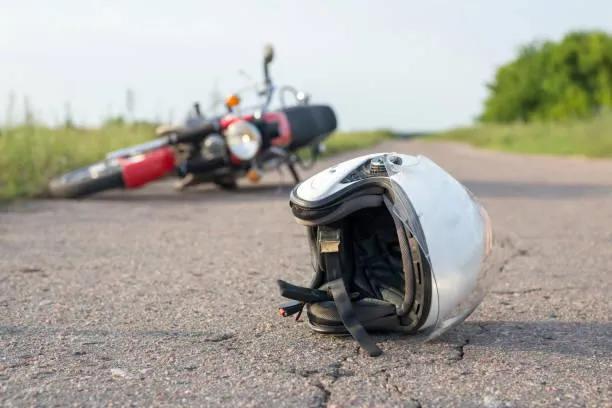
Motorcycle accidents are often more dangerous at night, when reduced visibility, impaired driving, fatigue, and hidden hazards leave less time to react. Federal data show many motorcyclists die during evening and overnight hours. Although total crashes depend partly on how much people ride, darkness creates additional risks.
The percentage of motorcycle riders accidents helps frame risk, but no single figure explains every rider’s circumstances. NHTSA reported 6,228 motorcyclist deaths in 2024. Darkness adds hazards that daylight makes easier to spot.
Are Motorcycle Accidents More Common at Night?
Nighttime riding is associated with a heightened risk of severe and fatal crashes. Many deaths occur after dark, though fatality counts alone cannot prove that every mile ridden at night is more dangerous than a daytime mile.
In 2023, 695 motorcyclists died between 6 PM and 9 PM during the week, and another 529 died between 9 PM and midnight during the weekend, according to the Insurance Information Institute’s compilation of federal data. These figures highlight nighttime danger.
The comparison also depends on traffic volume, weather, road type, and riding habits. More riders may travel during daylight, while nighttime trips may involve higher speeds or less familiar roads. A fair risk comparison considers both exposure and the number of recorded crashes.
Poor Visibility Makes Motorcycles Harder to See
Motorcycles can blend in with nighttime traffic because they have a lower profile than cars. Drivers may notice them too late at intersections or when turning across a rider’s path. Dark clothing makes detection harder.
Headlights illuminate only part of the road, and oncoming glare reduces visibility. Working lights, reflective gear, and avoiding blind spots help riders be seen.
Impairment and Fatigue Increase Nighttime Risk
Alcohol and drugs slow judgment, coordination, and reaction time. Late-night drinking can lead drivers to fail to yield, drift across lanes, or misjudge a motorcycle’s approach. Riding after drinking is dangerous.
Fatigue causes road users to miss signals, react slowly, or drift out of their lanes. NHTSA urges motorcyclists to ride sober and stay alert.
Road Hazards Are Harder to Detect
Potholes, gravel, spilled fluids, wet leaves, and damaged pavement are difficult to see in low light. A motorcycle may lose traction or balance when a tire strikes a hazard.
Speed increases the distance traveled before a rider responds. Safe speed, extra following distance, and scanning beyond the headlight beam provide more time to react.
Traffic Laws and Liability Still Apply After Dark
Nighttime does not remove a driver’s duty to use care, obey signals, yield when required, and avoid impaired driving. Riders may follow traffic laws, use required lighting, and choose a safe speed. Rules vary by state.
Police reports, witness accounts, photographs, and video may help establish what happened. A nighttime collision does not automatically make one person liable; responsibility depends on evidence and applicable law.
Practical Ways to Reduce Nighttime Crash Risk
Riders can lower some risks with precautions. Such as:
Check headlights, brake lights, signals, tires, and reflective equipment.
Wear a properly fitted helmet and visible protective clothing.
Reduce speed when lighting, weather, or pavement limits visibility.
Leave extra space and avoid vehicle blind spots.
Never ride impaired, and stop when fatigue affects focus.
Assume drivers may not see the motorcycle and plan an escape route.
These steps improve visibility and leave more time to respond.
For legal claims, preserve photographs and witness details when it is safe to do so, and report the collision as required by local law. Medical records may also document injuries and treatment.
Key Takeaways
Darkness increases the risks of visibility impairment, fatigue, and road hazards.
In 2023, 695 motorcyclists died from 6 PM to 9 PM.
Fatality totals do not measure risk per mile ridden.
Working lights and reflective gear improve visibility.
Lower speeds allow more reaction time.
Liability depends on evidence and traffic law.