Utility bills are rising across the US. And it's not just inflation to blame here. There are many other factors at play.
A CNBC report says that the AI frenzy has resulted in a sharp demand for electricity. Running and maintaining AI data centers consumes a lot of utilities, and the impact of the rising demand is being faced by individual households, too. The typical unpaid utility bill balance rose from $597 in 2022 to $789 by 2025.
In fact, a report found that utility costs increased by 13% since Donald Trump took office. This is a significant jump considering it has only been a year. These rising utility bills and inconsistent indoor comfort push many homeowners to think about HVAC upgrades. However, the fear of high upfront costs often delays action.
Modernizing a heating and cooling system does not have to involve a complete replacement or a major financial strain. Thoughtful improvements, paired with smart planning, can significantly reduce energy use while keeping expenses under control.
Understanding where upgrades make the biggest difference allows homeowners to improve comfort, efficiency, and long-term savings at the same time.
Understanding Where Energy Loss Happens
An article by The Sun lists inappropriately insulated walls as the home area resulting in the biggest chunk of energy loss. It is followed by the roof, floors, draughts, and windows. Collectively, this heat loss can cost up to £1,210 a year in the UK. While many people are aware of these household areas responsible for energy loss, they tend to forget the source.
Older HVAC systems often waste energy in subtle ways. Worn system parts often fail to hold steady temperatures, which causes longer operating cycles. Leaky ductwork, older thermostat models, and neglected maintenance further increase energy use.
Most conventional furnaces operate with an Annual Fuel Utilization Efficiency (AFUE) rating ranging between 80% and 85%. On the other hand, high-efficiency furnaces range from 90% to 98.6% AFUE ratings. New, upgraded, and maintained furnaces can run at close to high frequencies. When furnaces or the entire HVAC system are old, they may not be as efficient.
Addressing these issues first often delivers noticeable improvements without the price tag of a full system overhaul. Small inefficiencies add up over time, so correcting them can bring steady monthly savings.
How do home layout and design affect HVAC efficiency over time?
Floor plans, ceiling height, window placement, and room orientation all influence how evenly air circulates throughout a home. Open layouts may strain older systems, while multi-story homes can trap heat upstairs. Even when systems operate correctly, certain design elements can still drive higher energy usage.
Working With the Right HVAC Professionals
Choosing the right contractor plays a major role in keeping an upgrade affordable. A knowledgeable team evaluates the current system, recommends only what is necessary, and ensures proper installation.
As affordablehvacpa.com states, most professionals offer a seamless upgrade to their customers. Some also promise to protect your property to avoid any mishaps that could lead to further expenses. Moreover, they also understand regional climate demands and housing styles to suggest the best equipment for greater comfort and reduced costs.
Some professionals also offer affordable equipment, comprehensive maintenance plans, and flexible financing for better financial management.
When choosing HVAC professionals, pick someone who maintains strong communication and transparency. These elements play an important role in building a productive professional relationship. Clear explanations about system options, timelines, and expected outcomes help you make informed decisions without pressure.
Trusted contractors encourage open discussion, offer clear written quotes, and support their services through warranties or guarantees. This level of professionalism builds confidence and helps ensure that any upgrade performs as expected for years to come.
Why is certification and ongoing training important when choosing an HVAC contractor?
Certified technicians stay current with evolving technologies, safety standards, and efficiency regulations. Ongoing training ensures they understand newer equipment and installation methods, which reduces mistakes and improves system reliability. This expertise becomes especially important when integrating advanced components into existing homes.
Smart System Upgrades That Make a Difference
Modern HVAC technology offers options that improve efficiency without replacing every component. Variable-speed motors respond to current demand levels, helping limit energy surges and reduce strain on system components.
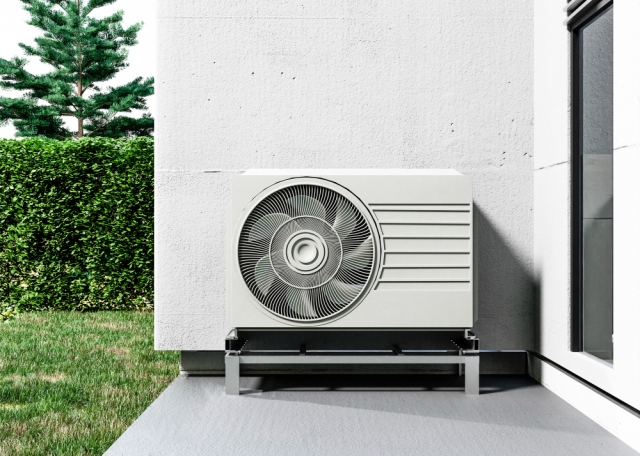
High-efficiency heat pumps and upgraded furnaces provide better temperature control while using less power or fuel. Even improving insulation around ducts or sealing air leaks can ease the workload on existing equipment. These targeted updates often extend system life while lowering operating costs.
A Scientific American article describes emerging air-conditioning designs that aim to break the current cycle where hotter temperatures lead to more AC use. This can prevent higher energy consumption, which in turn worsens climate change. Researchers are developing systems that separate dehumidification from cooling and use alternative methods like desiccants and evaporative cooling.
Some prototypes, such as those using desiccant materials with heat recycling or hydrophobic barriers to limit humidity, could cut energy consumption dramatically. Although these technologies are not completely developed yet, they reflect the advances in HVAC technology to reduce energy use and expenses.
How does system sizing impact efficiency and comfort after an upgrade?
Oversized HVAC units tend to short-cycle repeatedly, whereas undersized systems must operate for extended periods to keep up. Both scenarios waste energy and reduce comfort. Proper sizing ensures stable temperatures, balanced humidity, and smoother operation, which helps homeowners see better performance from modern upgrades.
The Role of Smart Controls and Maintenance
Technology continues to shape how homeowners manage indoor comfort. Smart thermostats adapt to household routines and manage temperature settings on their own, which helps avoid energy use when no one is home.
Thanks to such useful applications, the smart thermostat market is booming. According to Precedence Research, the global smart thermostat market reached a value of $5.97 billion in 2025. It is projected to expand at an annual growth rate of 18.54%, reaching $27.61 billion by 2034.
Consistent maintenance contributes greatly to overall system efficiency. Clean filters, tuned burners, and properly charged refrigerants keep systems operating as intended. Consistent care often delays the need for major repairs and helps homeowners get the most value from any upgrade.
Modernizing an HVAC system does not require overspending or unnecessary replacements. Careful assessment, selective upgrades, and collaboration with experienced professionals create a practical path toward better efficiency and comfort.
Efficiency-focused upgrades help lower recurring expenses and support a more comfortable living environment year-round. With informed decisions and steady maintenance, homeowners can achieve meaningful upgrades that fit both their comfort goals and their budgets.