You should keep your house in good condition is much like maintenance of personal well-being: steady habits, and timing go a long way. A number of problems can be avoided or minimized by simple routines and an understanding of how your home behaves during the year.
1. Build Simple Home Maintenance Habits
You should know that Good home care starts with small, consistent actions. These kinds of habits don't take special skills; they only take a few minutes every week. A once-a-week check of sinks, connections of a washing machine, and water heaters can make a big difference in diagnosing leaks early on. Clogged filters put more stress on the system, which will raise energy bills and degrade indoor air quality. Cleaning or it is advices to replace filters every 30–60 days will keep your home healthier and your appliances at maximum efficiency.
You should keep a couple of minutes each day cleaning up entryways and living rooms makes for a far safer, more functional home. Smoke detectors and carbon monoxide detectors need testing every month. Surge protectors do, too. These small devices are among the most significant safety tools in every house. These habits take very little time, but they are strong contributors to increasing the overall life expectancy of the home and truly help the homeowner avoid needing emergency repairs.
2. Seasonal Home Care: Ready Your Home for the Rest of the Year
Your home has different needs each season. You should plan ahead to ensure comfort and lower utility costs throughout the year. Here is what you need to focus your attention on during each season.
Winter: Protect Your Home from Cold and Damp
Older homes are the most vulnerable during winter.
- You should check for leaks around windows--cold drafts increase heating costs.
- It is advised to maintain indoor humidity using dehumidifiers or ventilation to avoid mould.
- Always inspect your roof after storms for snow or debris accumulation in colder climates for roof protection.
Winter is mainly about checking and being observant of the dampness, condensation, or excessively high consumption of electricity.
Spring: The Season of Renewal
Spring is an excellent time to look over your home following winter stress.
- Check roof for loose tiles, cracked shingles, or other debris.
- Cleaning out gutters so they can handle summer rains.
- Open up windows and screens to air out the house and remove dust buildup.
- Service air-conditioning units before heavy summer use.
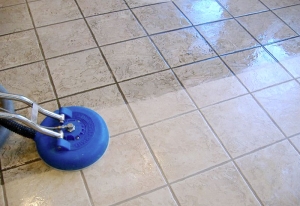
Spring cleaning also helps reset your home after months of being closed up. Deep cleaning carpets, curtains, and furniture greatly improves indoor air quality.
Summer: Preparing for Heat and Humidity
Hot weather puts high pressure on appliances and interiors.
Ensure adequate insulation to cut on electricity bills.
- Check plumbing for leaks—heat causes pipes to expand, which can worsen existing cracks.
- Protect wooden furniture from humidity by using polish or silica packs.
- Inspect your garden or balcony plants to ensure roots don’t damage drains or walls.
- Monitor your electrical load, especially if many appliances are running at once.
Summer storms can also bring heavy winds. It’s smart to secure loose outdoor items and trim weak branches that could fall.
Autumn: Repair and Prepare for Cooler Days
Autumn is the transition period where you prepare the house for winter.
- Clean gutters, balconies and outdoor drains of fallen leaves.
- Check sealants around windows and door to avoid loss of heat.
- Check your heating system, even if you only use it on cold nights.
This is also the best time to store summer equipment, such as garden hoses, outdoor furniture, and cooling appliances.
3. DIY vs. Professional Repairs: Which Route to Take
Whereas most chores around the house can be independently dealt with, some indeed require skills that are acquired through training, appropriate tools, and knowledge of systems within the building. Expertise counts in such repairs. Timely intervention can often prevent minor concerns from becoming serious hazards.
4. Call Professionals
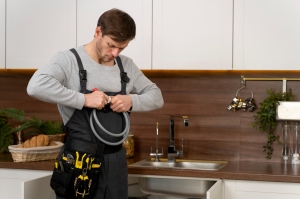
Even the most diligent homeowner cannot handle everything alone. Knowing when to ask for help prevents small issues from turning into major disasters. Any problem involving wiring, sparks, tripping circuits, or burning smells requires immediate professional attention. Electricity is too dangerous to experiment with, and faulty work can cause fires. Climbing on roofs is risky, and improper repairs can worsen leaks. Professionals have the equipment and experience to fix structural or waterproofing issues safely. While minor clogs can be handled at home, persistent leaks, drain backups, low water pressure, or pipe damage must be fixed by a licensed plumber. Water damage is expensive and spreads quickly if not treated correctly.
5. Switch to intelligent safety devices
Smart alarms, automatic lights, and leak sensors do add extra layers of protection and can let you know instantly via smartphone. It's little precautions that go a long way in making the environment of the home safer and more comfortable for everybody. You should always look for a trusted home maintenance provider.
6. Furthering a more functional living space
Functionality enhances the quality of one's life. It's the little things that go a long way, such as improvements in layout, organization, and lighting.
1. Rearranging furniture for better flow
Sometimes the easiest upgrade is to merely rearrange things. Try not to block windows, vents, or pathways.
2. The vertical space needs to be maximized.
Free up valuable floor space, reduce clutter by installing shelving, hooks, and wall storage units.
3. Choose multi-functional furniture.
For really tight homes, the desks that can be folded away will work, storage ottomans, and convertible sofas.
4. Natural Light Enhancement
Bring more brightness into the space by cleaning windows regularly, hanging sheer curtains, and using mirrors smartly.
5. Add indoor plants
Plants purify the air and give life to the room. Choose low-maintenance plants for a first-time green thumb, such as snake plants or pothos.
Always a well-maintained home lasts longer, costs less to repair, and stays a safe and comfortable place for everyone who lives in it. Smart care today saves money, time, and stress tomorrow.