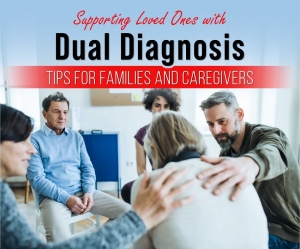
Substance use doesn't just impact the individual—it affects the entire family, straining relationships, disrupting daily life, and creating emotional upheaval. For many loved ones, knowing where to turn or how to help can feel overwhelming. But no one should face this alone. Those struggling with addiction need understanding, encouragement, and a safe space to begin healing.
At Red Ribbon Recovery Indiana, we provide exactly that. Our recovery support center offers compassionate guidance, structured programs, and meaningful resources for individuals and families seeking help. Whether you're supporting a loved one or exploring treatment options for yourself, we're here to walk alongside you every step of the way.
Understanding The Role Of A Recovery Support Center
If you are looking for a drug rehab in Indiana, having the right information can make all the difference. A recovery support center plays a crucial role in this process by creating a structured, wellness-focused environment that makes healing more accessible. These centers provide a safe space where individuals can take meaningful steps toward recovery with guidance, stability, and community support.
Most recovery support centers offer group-based programs that encourage participants to share experiences, learn from one another, and build accountability. They also promote healthier routines by reducing exposure to triggers and harmful influences, helping individuals stay committed to positive lifestyle changes.
Within this supportive setting, each person receives respectful, compassionate treatment from staff and peers, along with daily structure and activities that strengthen emotional and mental stability. With the right environment, encouragement, and tools, a recovery support center lays the foundation for real, lasting change.
What Support Services Are Commonly Available
Because every person's recovery journey is unique, recovery support centers offer a variety of services to meet different needs. These may include residential support for individuals who require a stable, structured environment; partial hospitalization programming that provides intensive daily care; and outpatient schedules that allow people to continue working, attending school, or caring for family while receiving ongoing support. Many treatment centers also provide family counseling to help loved ones better understand addiction, strengthen communication, and build a healthier support system at home.
While these services are essential, a support center is only the starting point. Long-term progress depends on continued encouragement from family and friends, as well as the individual's own commitment to change. With ongoing effort, consistency, and support, the new habits formed in recovery can grow into lasting transformation.
Life After Recovery
When a loved one returns home after completing treatment, it's common for family members to feel unsure about how to communicate or behave. Spouses, parents, and relatives often worry that the wrong word or action could trigger stress or even contribute to a relapse. These feelings, anxiety, uncertainty, and fear, are normal, and learning how to navigate them is an important part of the recovery journey.
Before your loved one leaves the rehabilitation center, it's helpful to meet with the aftercare program director and the individual in recovery. Together, you can discuss expectations, boundaries, and the new structure that supports their sobriety. Understanding what is and isn't helpful allows everyone to feel more confident. These boundaries aren't restrictions; they're safeguards that help protect the person in recovery as they adjust to their new lifestyle. Respecting and honoring these guidelines is one of the most meaningful ways you can offer support.
If you find yourself feeling overwhelmed, suspicious, or anxious about your loved one's behavior, reach out to the program director or aftercare specialist rather than letting worry build. Open communication with professionals ensures you can receive guidance without disrupting your loved one's peace of mind.
At the same time, try to avoid extremes—neither pessimism nor forced positivity is helpful. Instead, aim for balanced, honest, and calm interactions. Your steady support can make the transition home smoother and reinforce the foundation your loved one worked hard to build.
Adaptation in Society
The period immediately after treatment can feel overwhelming for someone reentering everyday life. This stage, often called social adaptation, requires patience, understanding, and steady support. To better relate to what your loved one is experiencing, imagine returning home after an extended hospital stay or coming back to work after months of medical leave. Suddenly, everything feels unfamiliar. Expectations have shifted, routines have changed, and the world seems to have moved forward without you. That mix of pressure, uncertainty, and vulnerability mirrors what many people in early recovery feel.
During this time, trust becomes essential. It's okay to acknowledge that rebuilding trust takes time—honesty about your own fears can open the door to healthier communication. Let your loved one know that while you may not feel fully confident yet, you're committed to moving forward together.
What's equally important is letting go of the need to control their recovery process. Avoid monitoring their meeting attendance, checking in on their work with a sponsor, or overseeing their step assignments or reading. Recovery is a deeply personal journey, and growth happens at different speeds for different people. Comparisons, whether to others in recovery or to expectations you've set, only add pressure.
By offering trust, patience, and space for independence, you help your loved one build confidence and find their own rhythm in a new, healthier life.
Boundaries of Care
While it's natural to want to stay close and involved, overwhelming a recovering loved one with questions or constant attention can unintentionally create pressure. Give them space to share at their own pace. When they're ready, they'll often open up; sometimes even more than you expect. In those moments, listen with care but avoid becoming overly involved, as doing so can lead you to take on responsibilities that belong to them.
It's equally important to avoid criticism or harsh remarks. Even well-intentioned comments can damage trust and discourage them from being honest with you. Remember that individuals in recovery, like anyone else, will have days when their mood fluctuates. Resist the urge to fix it, cheer them up, or panic. Part of their healing is learning how to regulate emotions independently.
If your loved one doesn't answer the phone or respond right away, try to stay calm. There are many simple explanations; they may be resting, busy, or didn't hear the call. Avoid jumping to conclusions. In most cases, they will reach back out when they can. By maintaining healthy boundaries and steady support, you help create an environment where recovery can continue to grow naturally.
Conclusion
Many families hope that after treatment, their loved one will return home completely transformed—free from old habits, restored to their former self, or even the opposite of who they were during their struggles. It's important to recognize that recovery doesn't work this way. A wellness or recovery support center provides a foundation: it helps individuals stabilize, manage cravings, and begin developing healthier coping strategies. But treatment is only the starting point.
Personality traits, emotional responses, and long-established habits don't disappear overnight. True growth requires ongoing self-reflection, consistency, and personal effort long after formal treatment ends. With time, support, and continued dedication, your loved one can evolve into the healthier, stronger version of themselves they are striving to become.