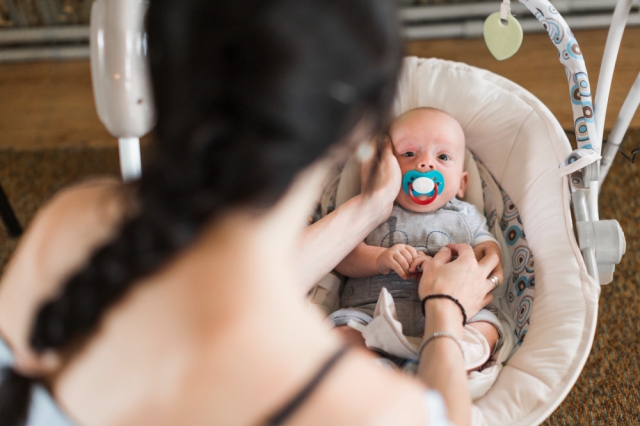
Transitioning from a bassinet to a crib is a significant milestone for both caregivers and babies. This process often raises numerous questions, and doubt can also arise. Families seek ways to make this transition a gentle and comfortable one for their babies. Consideration and gradual adjustments can make this milestone beneficial for all students.
Knowing When to Switch Gears
There are several factors that help determine when to transition a baby from a bassinet to a crib. Bassinets: Many babies outgrow their bassinets by three to six months of age. Babies navigate change and communicate danger through weight limits and increased movement. It is essential, however, for caregivers to always refer to manufacturer guidelines to ensure their baby remains within the recommended size for the bassinet. Comparing different baby bassinets helps you select a safe and comfortable sleep option.
Creating a Familiar Sleep Environment
A baby may find a different sleeping area strange. For assistance, families can place items within the crib that the infant is familiar with, such as a fitted sheet that has been washed with a similar detergent. And putting the crib in the parents' room for a couple of nights can also help ease the transition. There are times when a consistent noise, such as a soft white noise machine, can be very comforting and reassuring.
Establishing a Consistent Bedtime Routine
Having routines provides a measure of security for babies. Incorporating the crib into a calming nighttime routine can be beneficial. A warm bath, a short-story book, or a lullaby can indicate that it is almost time for sleep. The same nighttime regimen, very simply, gets the kid ready for sleep, no matter the bedroom or whether they are sleeping in the same room.
Making Gradual Changes
This transition usually works best when approached slowly and gradually. For example, you could start by allowing the baby to nap in the crib during the day, but continue sleeping in the bassinet overnight. When naps are stabilized, start providing crib time for nighttime sleep. This progression also provides reassurance and confidence for both the child and caregivers.
Ensuring Safety in the Crib
Safety remains the top priority. There should be no soft objects, such as pillows, blankets, or stuffed animals, in the crib. A firm mattress with a well-fitting sheet provides a safe sleeping surface. The crib must be placed as far away from windows, cords, or any other potential hazards in the nursery as possible, where the child will be placed.
Managing Parental Emotions and Expectations
That transition is often quite heavy for caregivers as well. It is natural to feel worry or sadness. It may help to acknowledge that these feelings are entirely natural. During this period, the presence of partners or friends can be a source of comfort and encouragement.
Observing the Baby's Response
Every baby is unique and will respond differently to changes in their sleep routine. Certain people may acclimate promptly, while others may require more time and patience. It allows caregivers to pay attention to signs like fussiness or trouble settling, guiding them in their approach. Being flexible and gentle with both the child and oneself makes this process easier.
Promoting Positive Sleep Associations
Instilling positive experiences about the crib makes it easier for the baby to welcome their new sleep environment. Daytime visitors can spend calm and pleasant moments with the child in the nursery. Such behavior helps the baby feel safe and comfortable, such as through gentle play or a bit of storytime in the crib, as long as the baby is awake and alert.
Addressing Common Concerns
This is the time when most questions arise about sleep regressions or continuous nighttime waking. If there are slight interruptions, and there may be, then this knowledge will help reduce anxiety. Sleep patterns usually stabilized again once the baby felt confident and secure in the crib.
Seeking Guidance When Needed
Occasionally, a little encouragement can make a significant difference. If a baby is struggling with the transition to the new sleep space, pediatricians can offer advice. Safe spaces and local organizations may offer helpful advice and support to families in need.
Celebrating Small Successes
Every step forward deserves recognition. We like to celebrate milestones, such as a baby's first nap or a whole night in the crib. Making it a point to share the news with family and friends may also hold the key to joy and motivation during the transition.
Conclusion
Moving a baby from the bassinet to a crib is no small feat; it requires time, strategy, and positive reinforcement. Families can make this change easier by gradually introducing the crib to create a familiar sleep environment. Infants and their caregivers find a sense of security in routines, safety, and emotional support. Developing confidence for the next transition comes from celebrating every small victory along the way. And, with time and patience, this crucial step allows for a night of peaceful sleep and the development of resentment.